The company
A specialist in tailor-made African safaris
African Safari Consultants (ASC) is a specialist travel company that designs tailor-made African safaris. Their consultants combine deep destination knowledge with long-standing relationships across lodges, tented camps and private reserves. Together, those strengths allow them to create highly personalised itineraries for every traveller.
Human-led planning, digitally supported
The website plays a central role in that journey. It needs to inspire travellers with destinations and experiences, build trust through expert guidance and reviews, and make enquiries about complex itineraries feel simple. Many trips span multiple countries, seasons and price points, so clarity matters.
For ASC, the site does much more than act as a brochure. It functions as a core tool that turns curiosity into conversations with consultants and, ultimately, confirmed bookings.
The project
From legacy theme to block-based rebuild
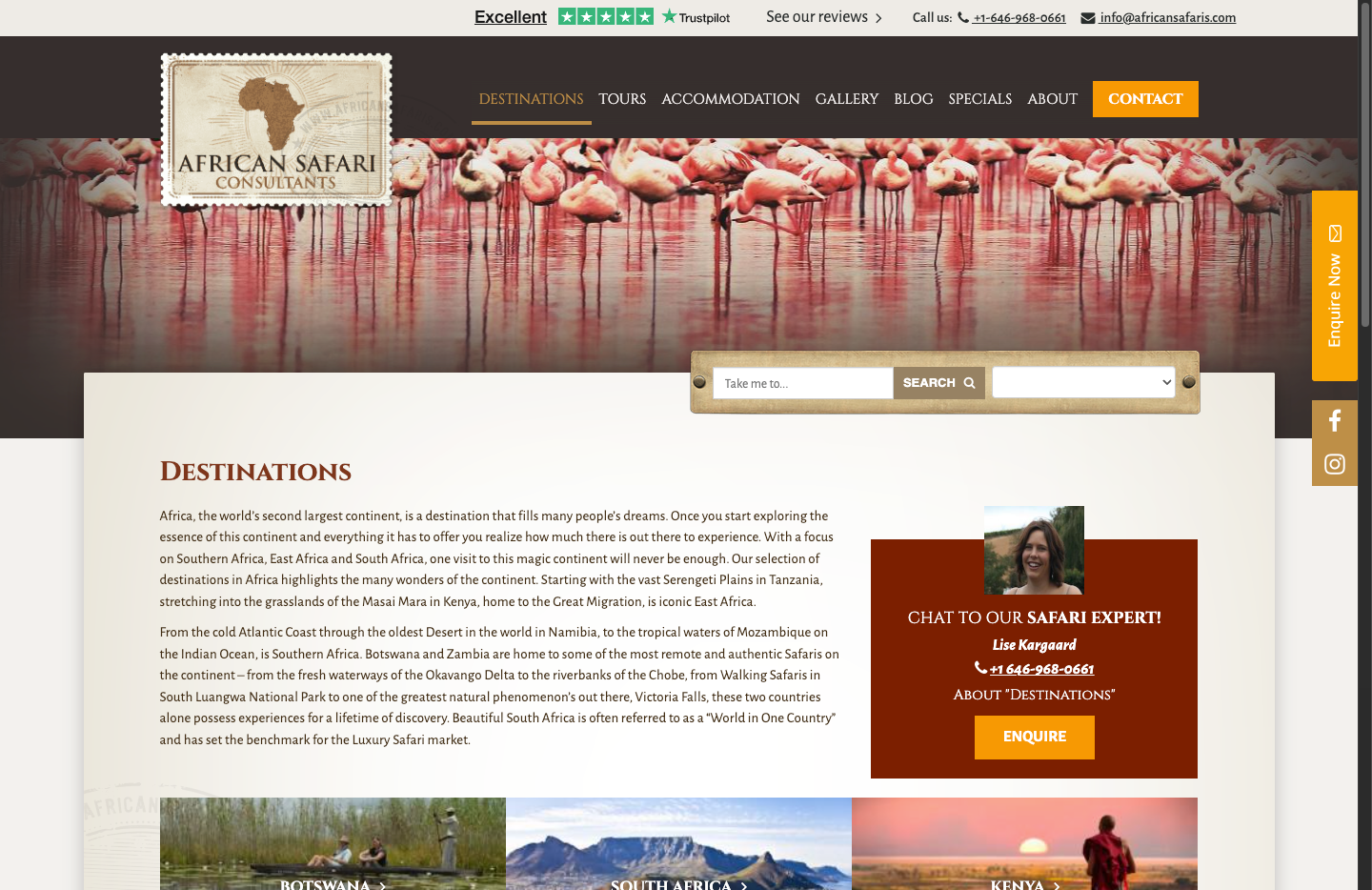
ASC’s previous WordPress site ran on an earlier version of the Tour Operator plugin, a classic theme and extensive custom PHP templates. Large, hand-written stylesheets carried much of the visual design. The site still felt on brand, but the architecture had grown hard to extend and did not support the modern block editor or Full-Site Editing.
LightSpeed took on a full rebuild. The aim was to modernise the foundation while keeping the familiar feel of the existing design, so returning visitors would still recognise ASC the moment the page loaded.
A design-system approach to a familiar brand
At the centre of the project sits a custom block theme, asc-2025, and a design system driven by theme.json. Instead of spreading styling across multiple CSS files, the theme now keeps decisions in one structured configuration.
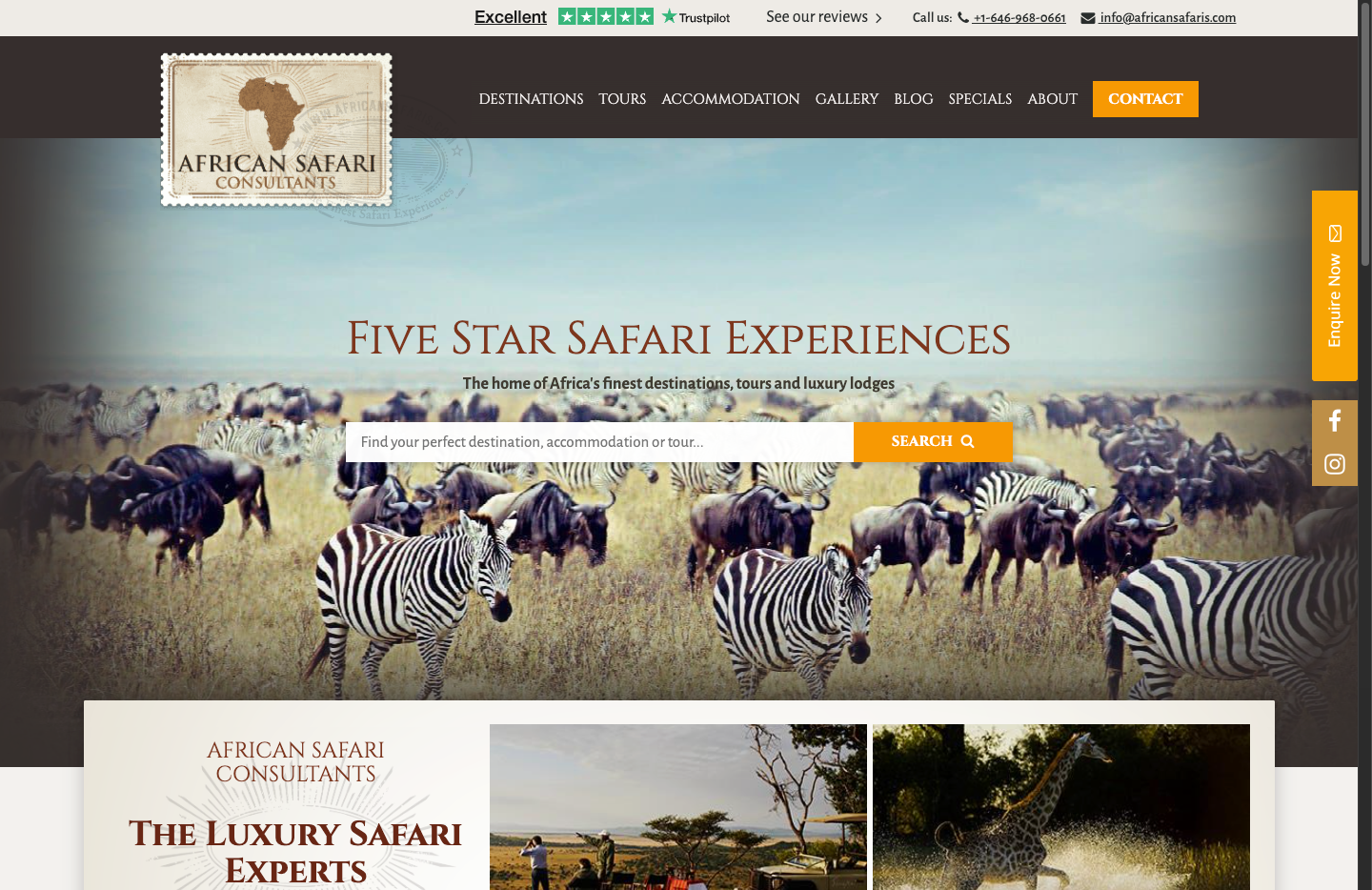
The design system defines a refined colour palette with ASC’s brand accents, and a typography stack that uses Alegreya Sans for body copy and Cinzel for headings. It also introduces fluid spacing and type scales that adapt cleanly across devices.
The process began in Figma. LightSpeed audited the existing site, extracted colours, type, spacing and recurring layout patterns, and rebuilt them as reusable components. Prototypes showed how tours, lodges and destinations would appear on desktop and mobile, and how enquiry calls to action would sit inside those journeys. This gave ASC a clear view of the new experience before development started.
Tour Operator 2.1 at the core
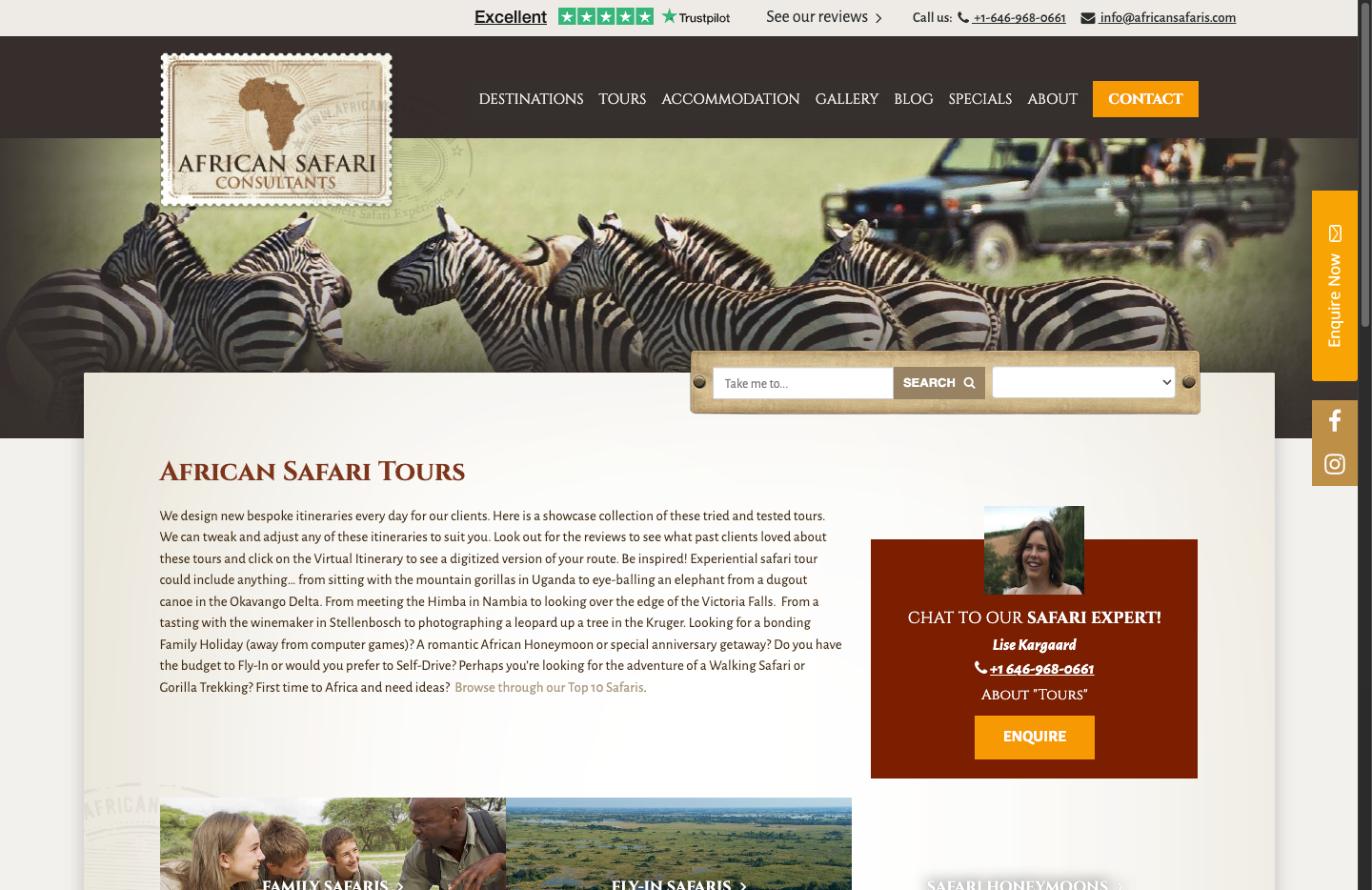
On the application side, Tour Operator plugin 2.1 now powers the site. It provides custom post types for tours, accommodation and destinations, plus a modular booking engine suited to complex date ranges and seasonal pricing.
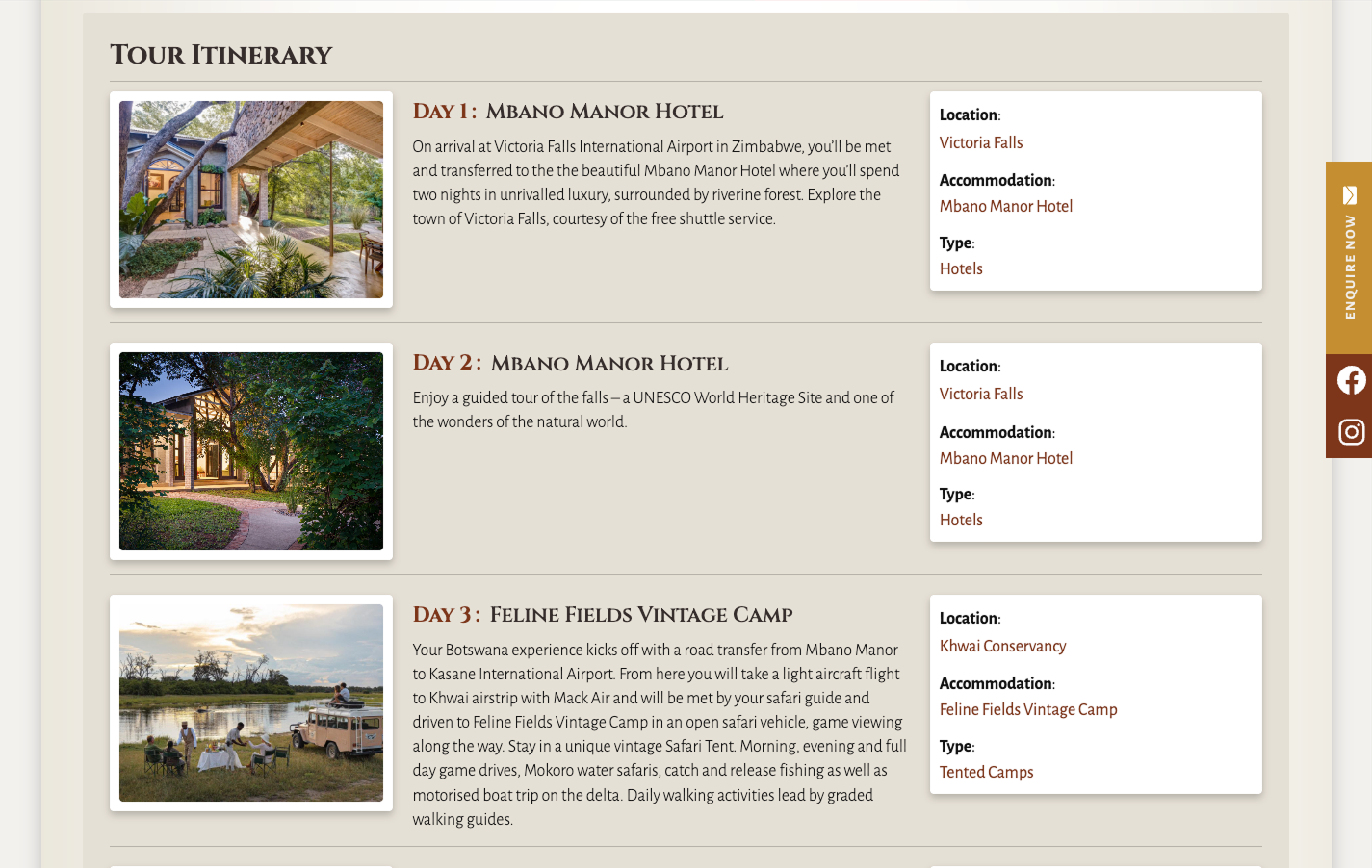
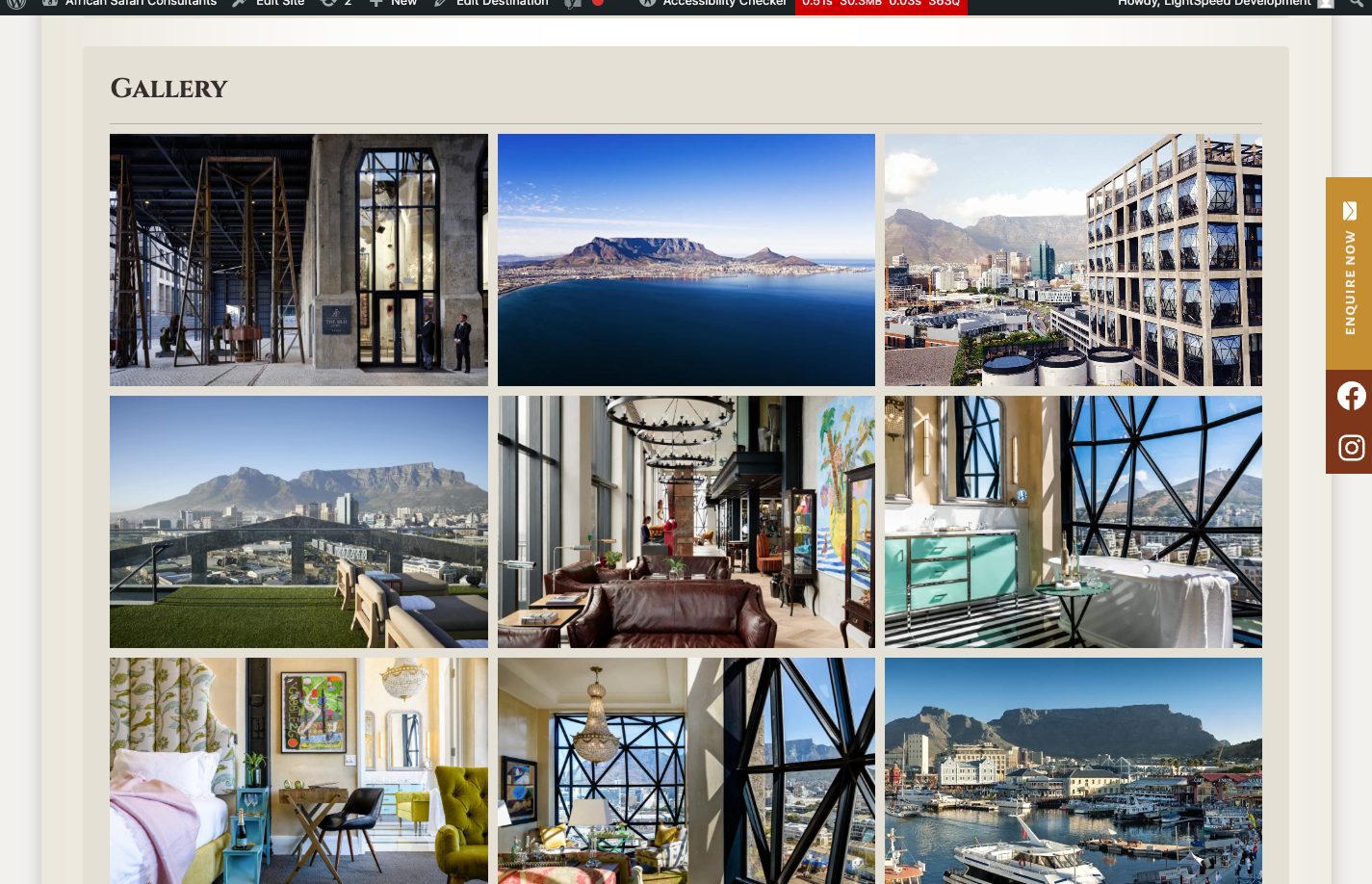
ASC uses the plugin’s block suite for tour listings, related content, enquiry prompts and itinerary details. A dedicated enhancements plugin extends this stack with extra media tools, including gallery and video metaboxes for hero imagery and supporting visuals. Together, these elements create a travel-specific platform aligned with modern WordPress standards.
The
challenges
A legacy codebase tied to older workflows
The original site combined an older Tour Operator setup with many custom PHP templates and bespoke queries. Any change to layout or content structure demanded edits to several template files and functions. At the same time, ASC wanted to keep much of the existing visual identity. The rebuild therefore had to refresh the foundation without forcing a complete visual reset.
Complex, long-running content and data
Over the years, ASC had stored tours, lodges and destinations in a mix of custom database tables and legacy custom fields. Consultants added detailed notes, pricing variations, highlight lists and testimonial snippets wherever they found space.
A modern content model needed to capture all of that history. The new setup had to use clear custom post types, well-defined taxonomies and structured fields, but still respect the nuance that consultants rely on when they talk to clients.
Moving from CSS media queries to fluid tokens
The previous site depended on traditional media queries and hand-tuned breakpoints. The new design took a different route. It relied on fluid typography and spacing defined in theme.json using clamp-based values.
This shift promised cleaner behaviour and less CSS. It also introduced a learning curve. Clamp values had to feel natural on screens of many sizes, and spacing tokens needed to work in tight card grids as well as large hero sections. Design and development teams had to align on how these tokens behaved in practice.
Block editor constraints and section style quirks
Full-Site Editing and the block editor brought new power and new constraints. Section styles give strong control over backgrounds, padding and typography, but they attach to group blocks and follow strict inheritance rules. Nested groups can easily carry through colours or spacing in unexpected ways if patterns are not carefully planned.
Interactive elements added more complexity. The current JSON options for hover and focus states do not yet cover every need, so some details, such as pagination styling and decorative icons, required small, targeted CSS rules. LightSpeed needed to keep those overrides minimal while still delivering a polished, accessible interface.
Empowering the ASC team
ASC’s consultants and marketers are experts in safaris, not in template code. They needed an editing environment that felt approachable and predictable. Patterns had to map directly to everyday tasks: publishing a new tour, updating seasonal pricing, featuring a lodge on a regional landing page or adjusting a call to action.
The rebuild needed to reduce dependence on developers. It had to give the internal team enough control to manage content and presentation with confidence.
The
solutions
Re-expressing the brand in Figma
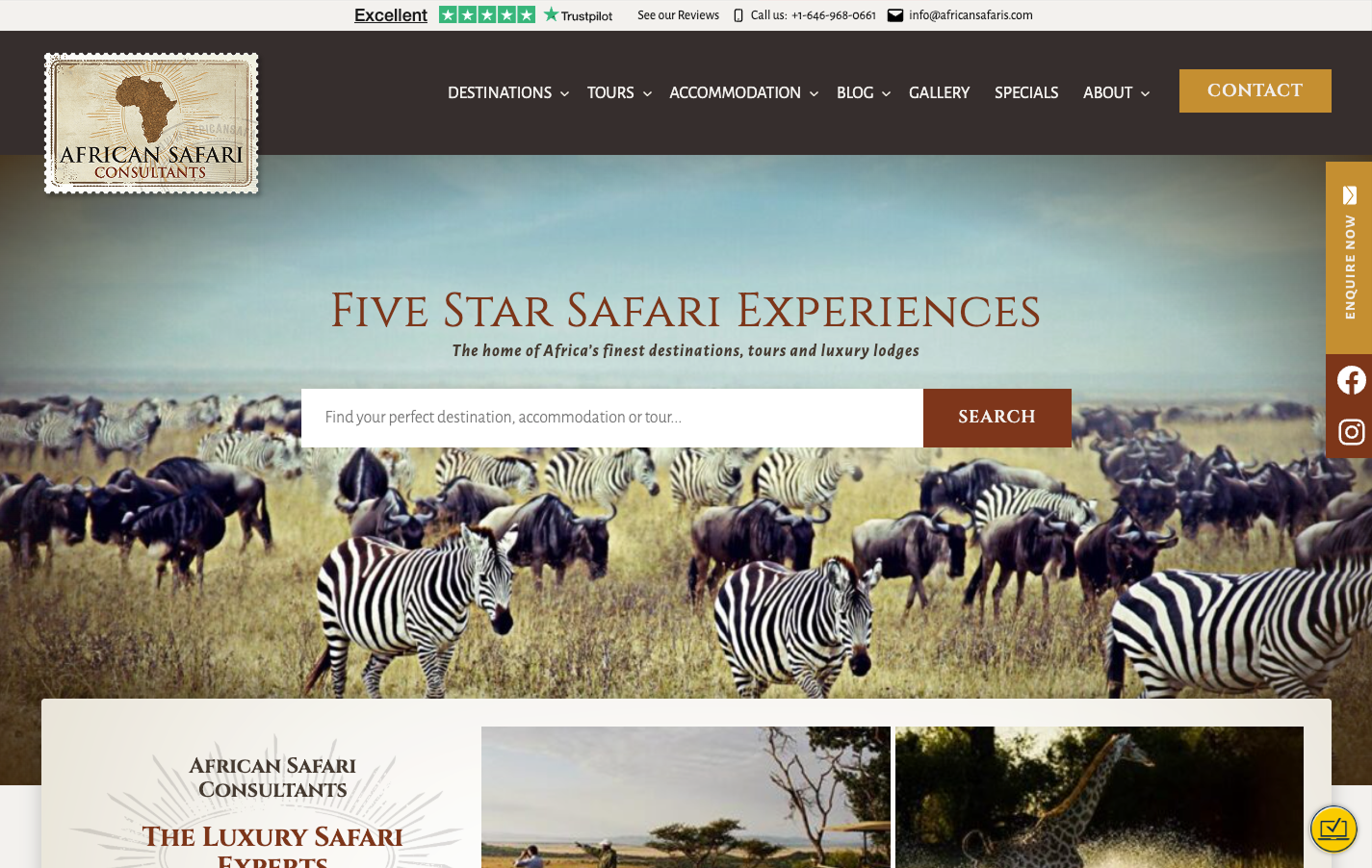
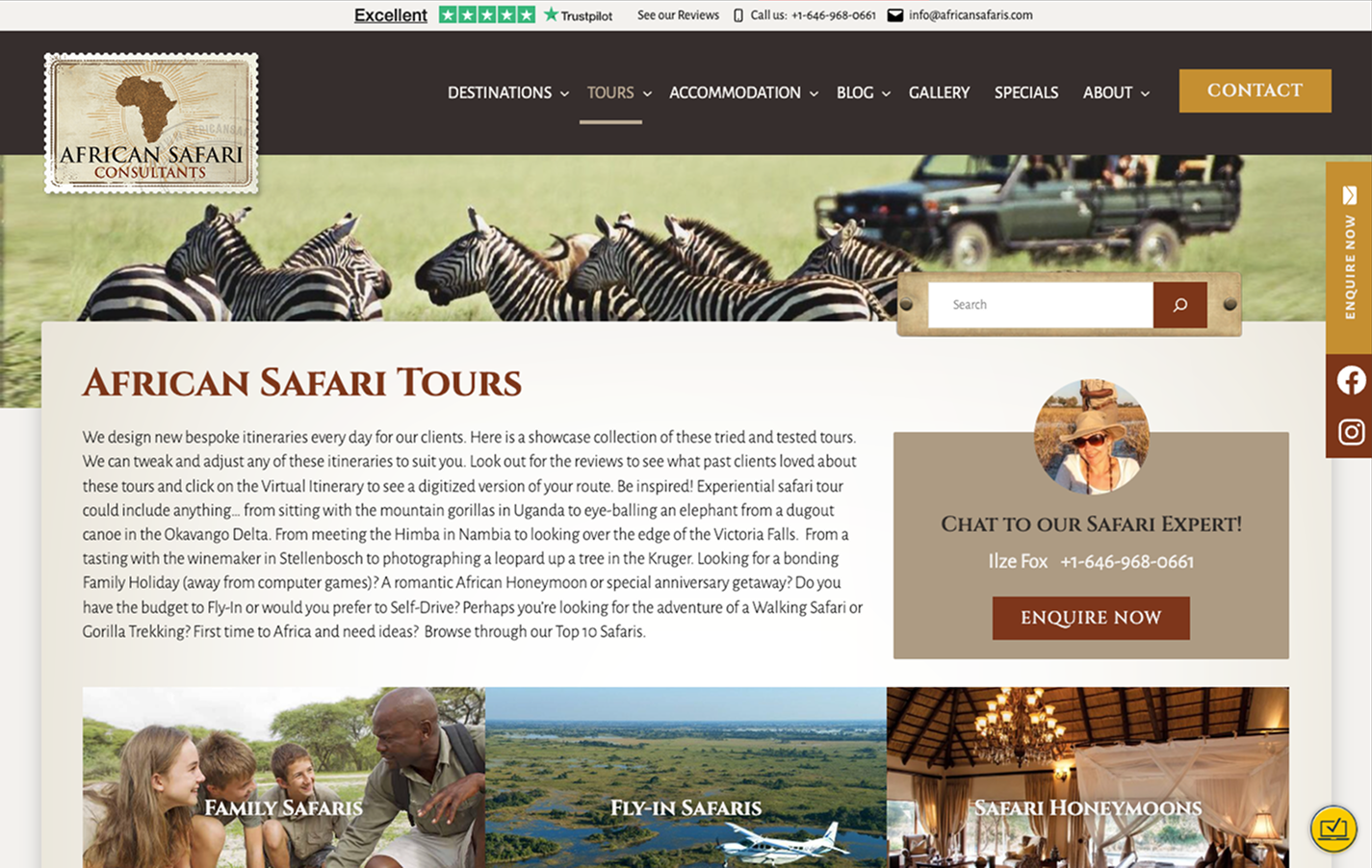
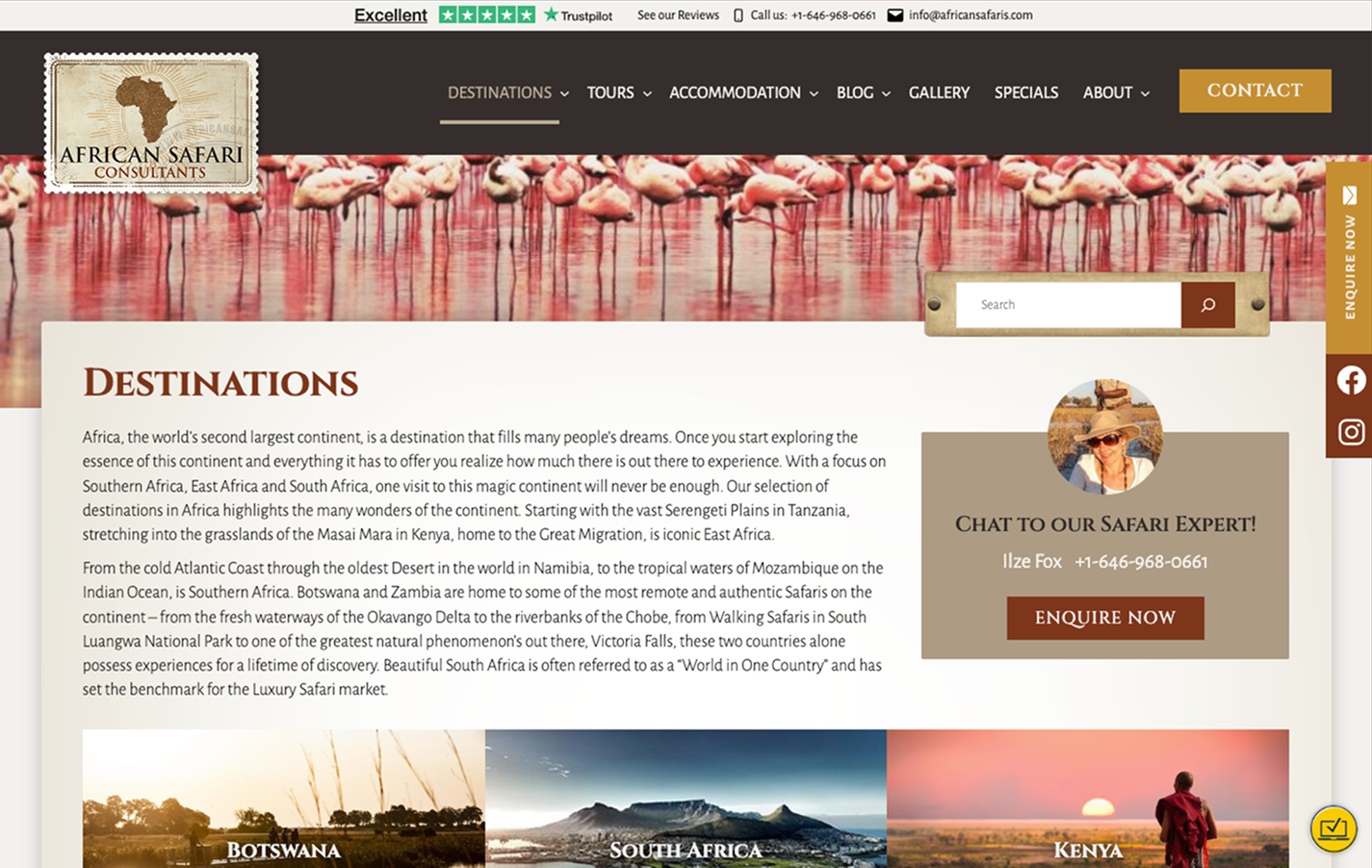
LightSpeed began by rebuilding ASC’s visual language in Figma. The team audited the existing site and captured colours, typography, spacing and recurring components in a structured library. Instead of discarding what worked, they evolved hero layouts, card styles, image treatments and calls to action. The result kept ASC’s character while improving clarity and accessibility.
Interactive prototypes used realistic journeys: browsing a destination, comparing tours, reading lodge details and submitting an enquiry. Consultants and stakeholders could see these flows on desktop and mobile. That clarity led to concrete feedback long before any code changed.
A theme.json-driven block theme
The asc-2025 block theme provides the technical backbone of the rebuild. Theme.json centralises design tokens and behaviour. It defines the colour palette, typography, spacing, layout constraints and per-block defaults.
Fluid type and spacing use clamp values rather than long chains of media queries. Headings and paddings scale smoothly across devices, and the site maintains consistent rhythm without complex CSS.
Fonts register as self-hosted families, so Alegreya Sans and Cinzel load with the right weights and styles, and with performance-friendly font-display settings. Decisions that once lived in scattered CSS now sit in one configuration that ASC can understand and improve over time.
Tour Operator 2.1 as the booking engine
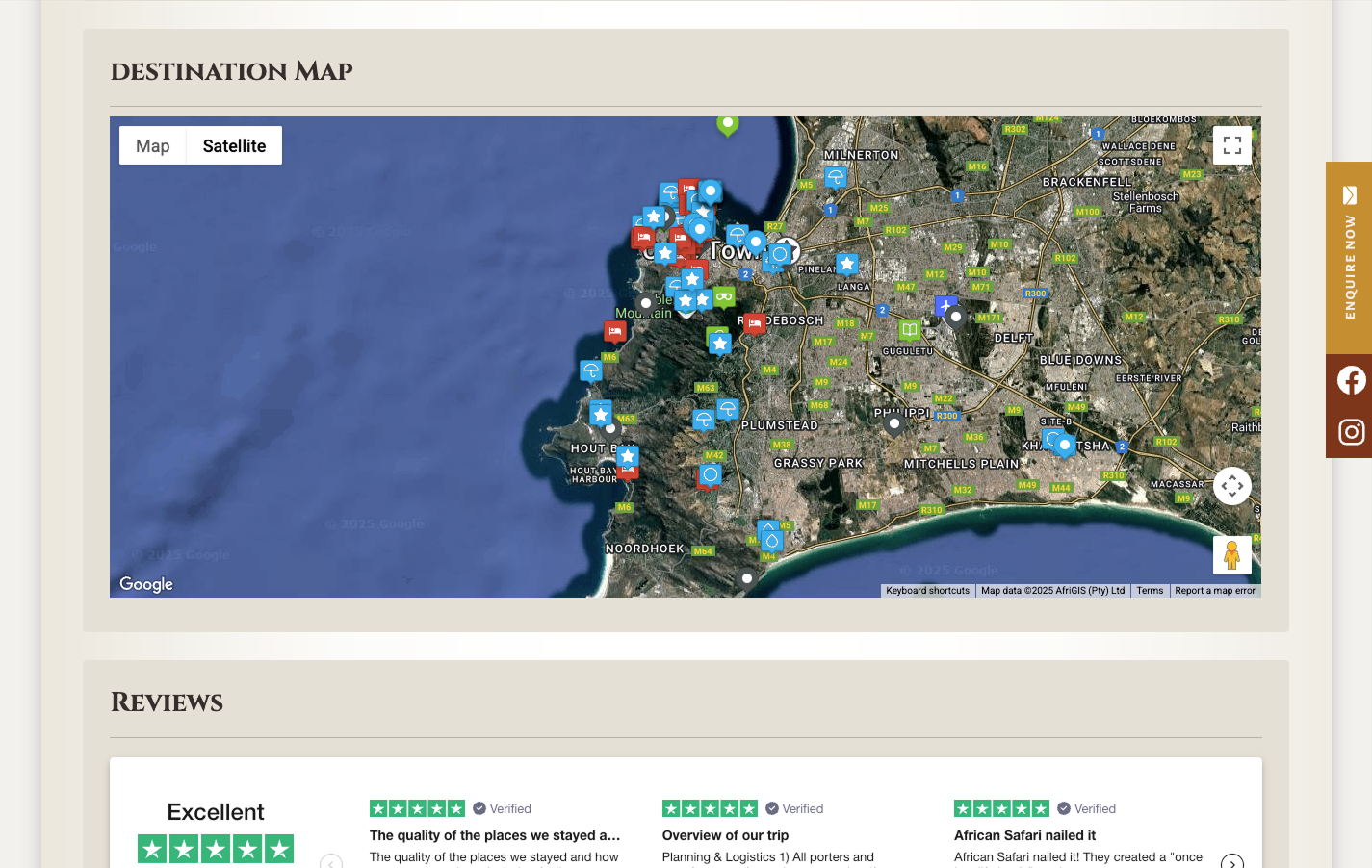
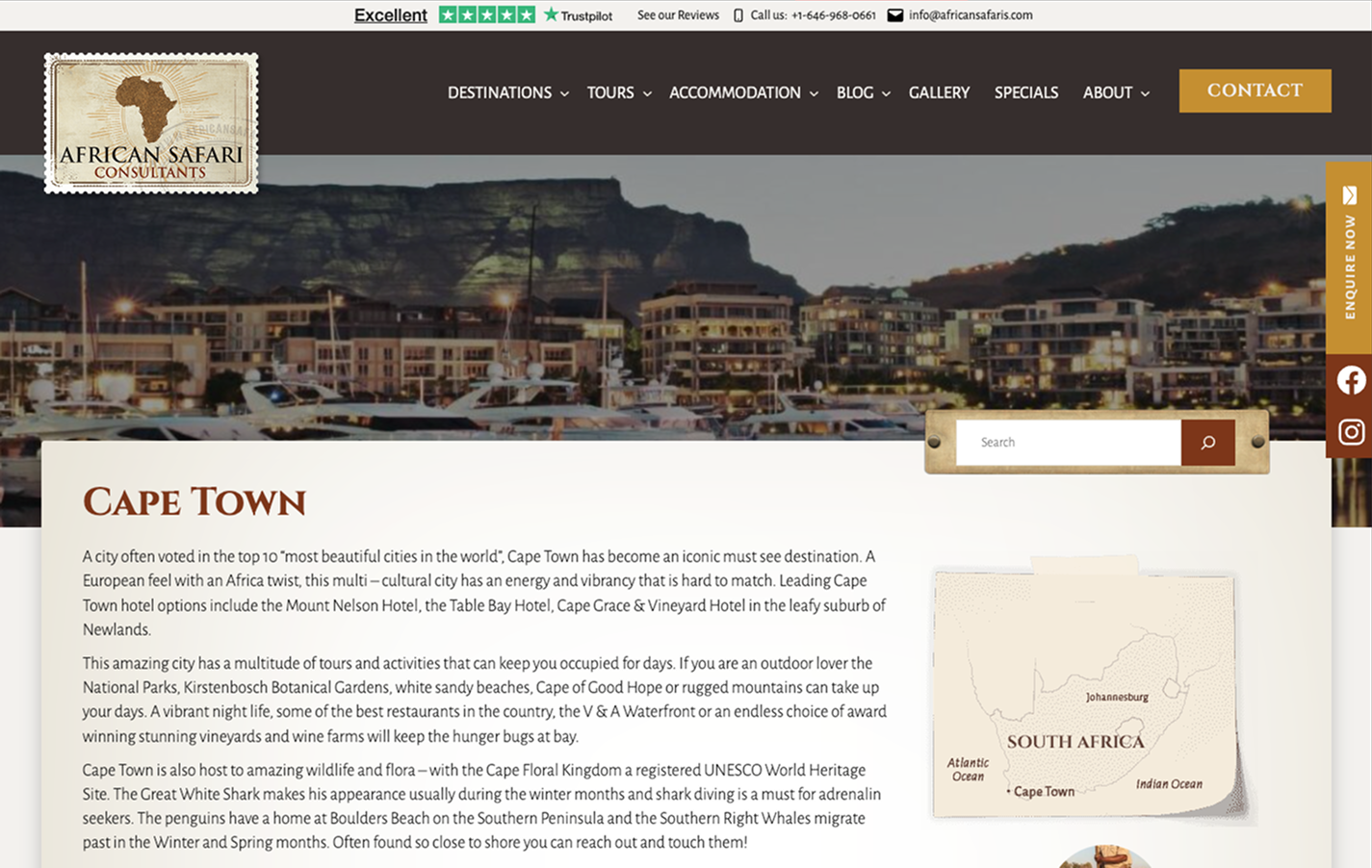
Tour Operator plugin 2.1 models ASC’s offering in a way that matches how safaris sell in the real world. Tours, accommodation and destinations each use their own post type. Taxonomies and custom fields capture travel styles, regions, activities, seasonal pricing and highlights.
The block suite from the plugin drives tour listings, related content and enquiry prompts inside the block editor. Advanced Custom Fields supplies ASC-specific data such as icons, price notes and ratings. Carefully designed patterns then surface this data in consistent layouts. Editors can build rich, dynamic pages without touching PHP or shortcodes.
Section styles and patterns for consistency
To keep layouts cohesive, LightSpeed leaned on section styles and reusable block patterns. Section styles bundle background colours, paddings, borders and typography for key section types, including hero bands, content strips, card grids and review sections. Editors can apply these styles with a single choice and know the result will sit comfortably in the design system.
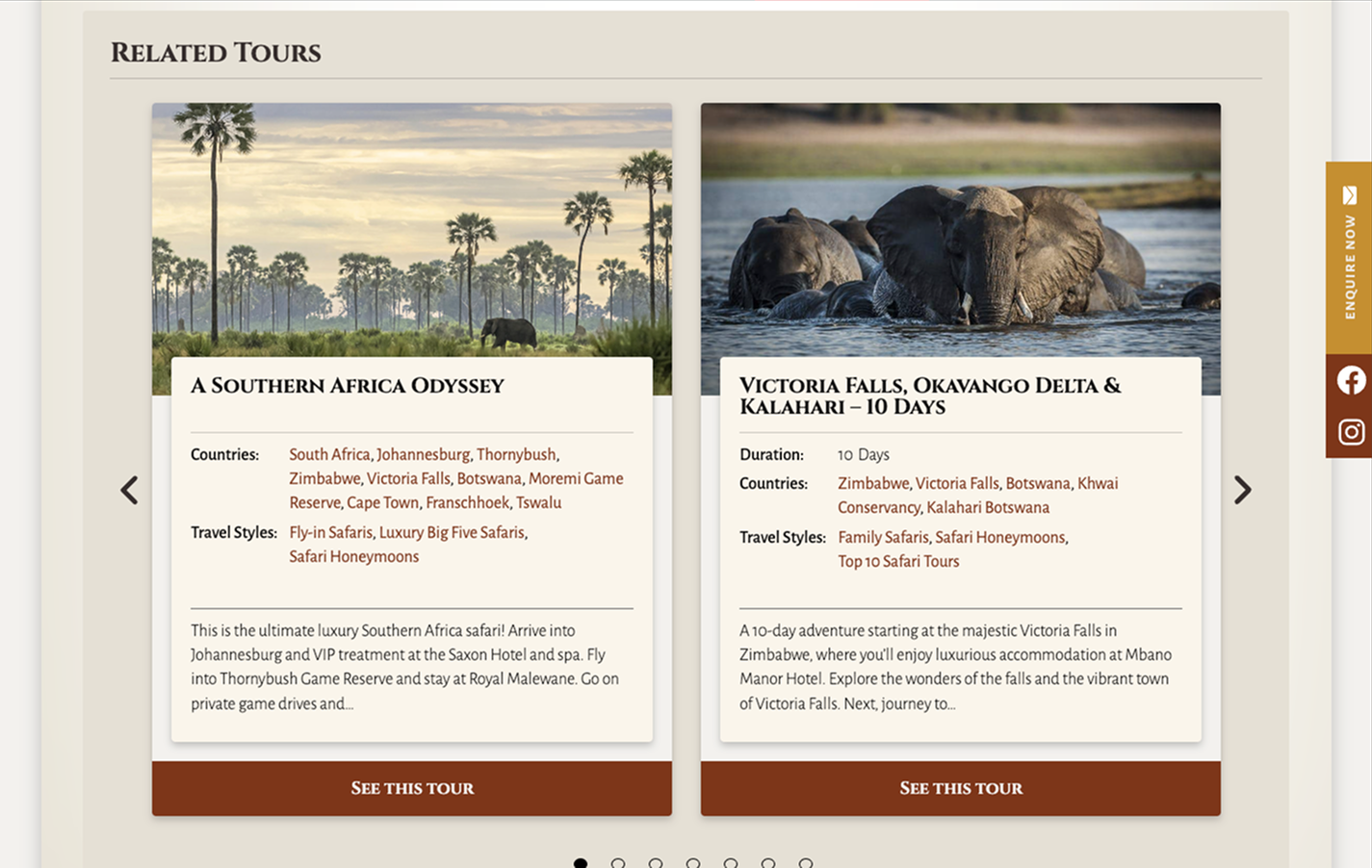
Patterns capture more complex structures such as tour and lodge hero layouts, Fast Facts panels, related tour sliders and enquiry callouts. Because patterns connect to global styles, any future adjustment to the design system flows through the site automatically. Where the block editor controls stopped short, LightSpeed added small, focused CSS rules to refine pagination, hover states and decorative details, while keeping theme.json in charge of the overall look.
Carefully managed data migration
LightSpeed treated the content migration as its own workstream. The team exported data from custom tables and legacy fields, mapped it to the new content model and re-imported it with WP-CLI and the Tour Operator importer.
They rebuilt relationships between tours, lodges and destinations so multi-stop itineraries correctly reference all relevant regions and properties. Pricing details, inclusions and exclusions, testimonials and media galleries moved with each piece of content. Several rounds of validation allowed ASC to confirm that important context remained intact.
Integrations that support the booking journey
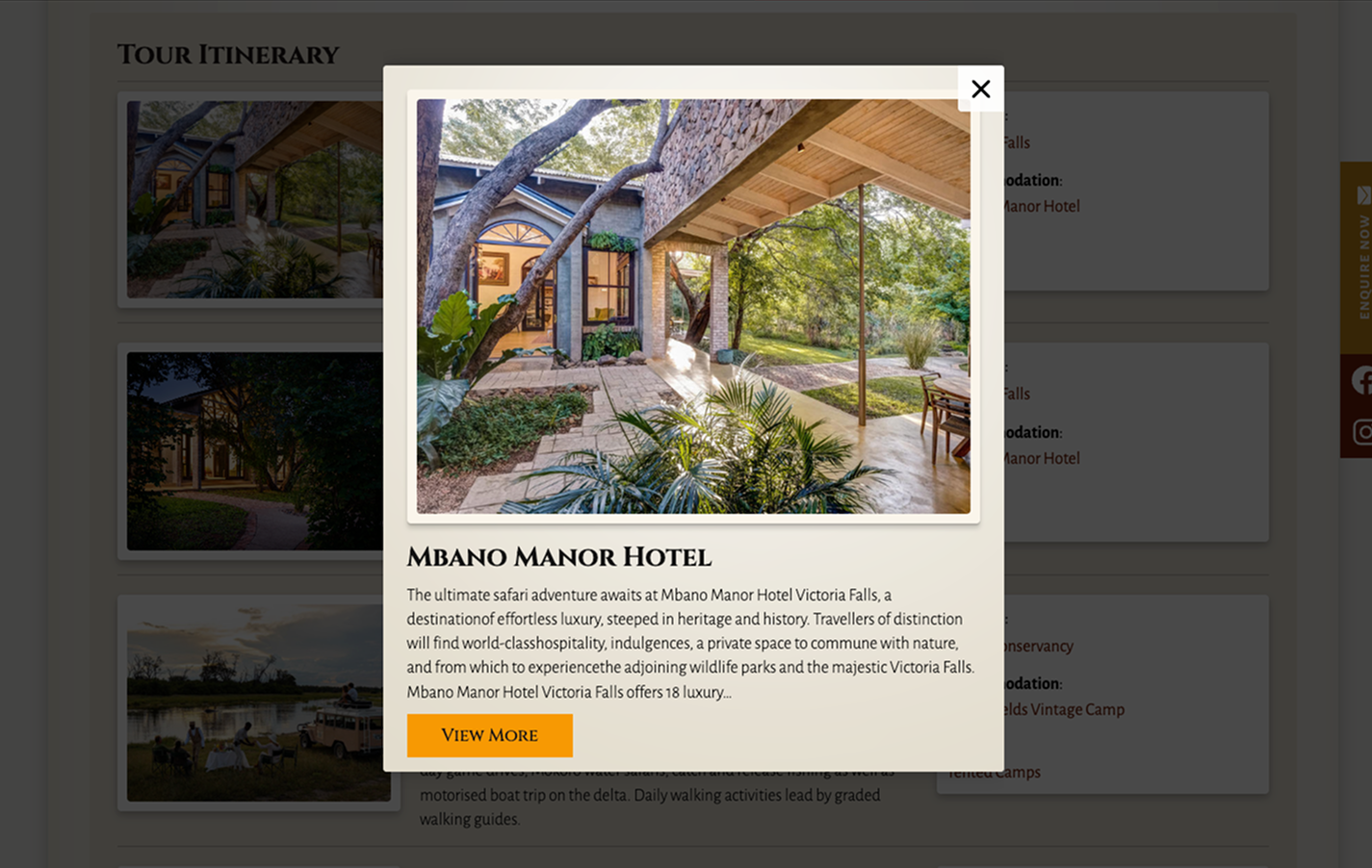
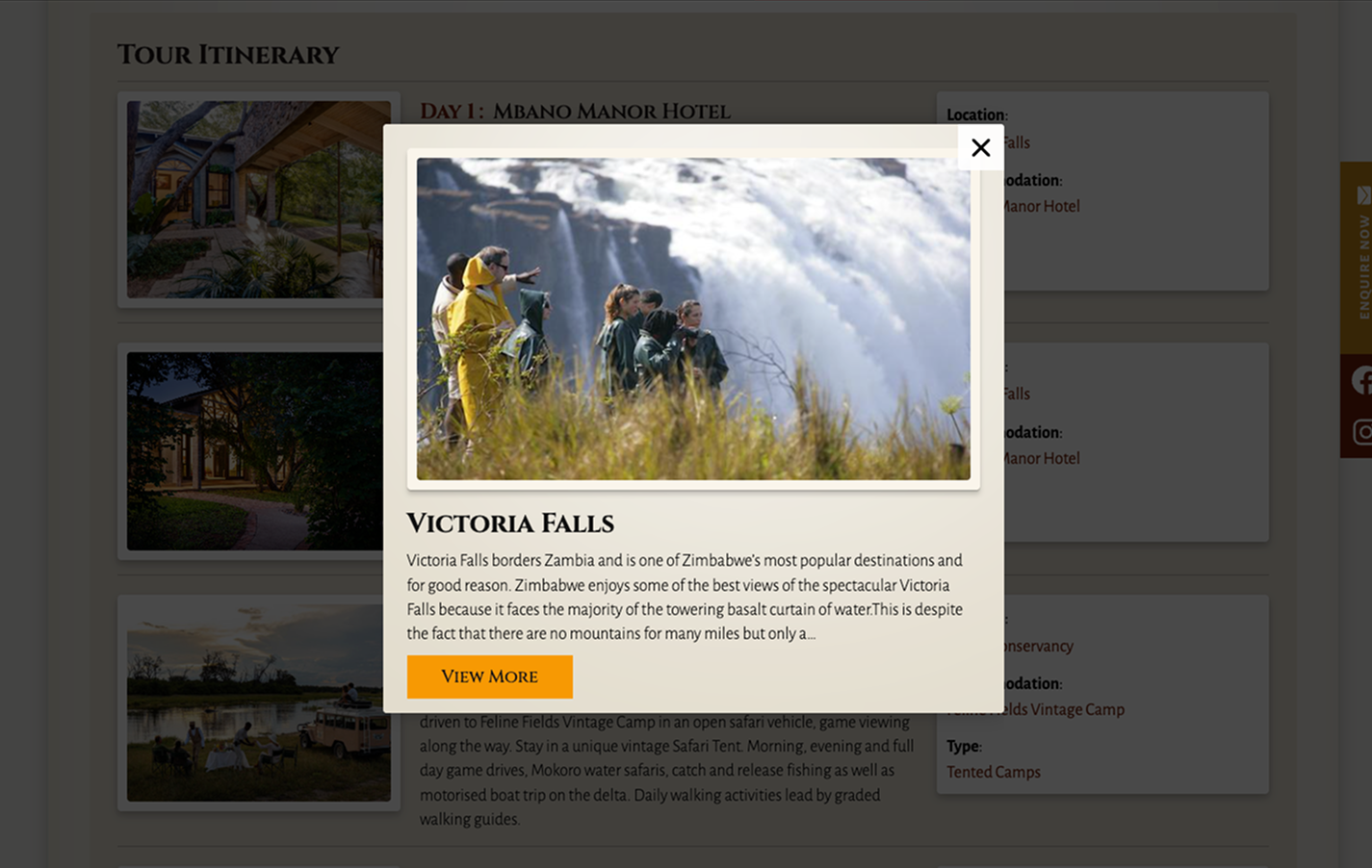
Around the core content and booking engine, LightSpeed refined key integrations. Gravity Forms now powers enquiries for tours, accommodation, specials and general contact. The forms appear in modals, so visitors can send an enquiry without losing their place in a journey. Hidden fields capture Salesforce tracking data and other marketing information.
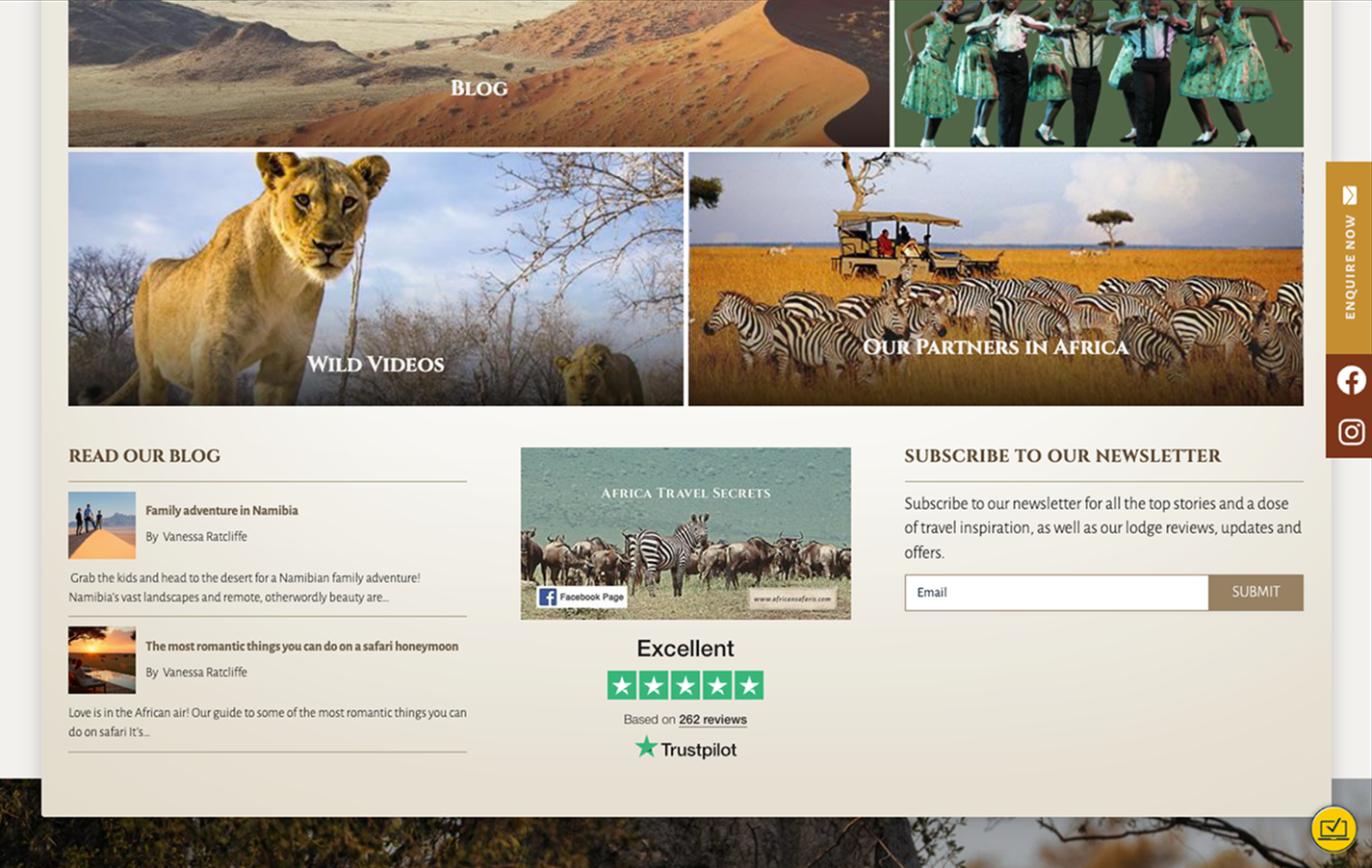
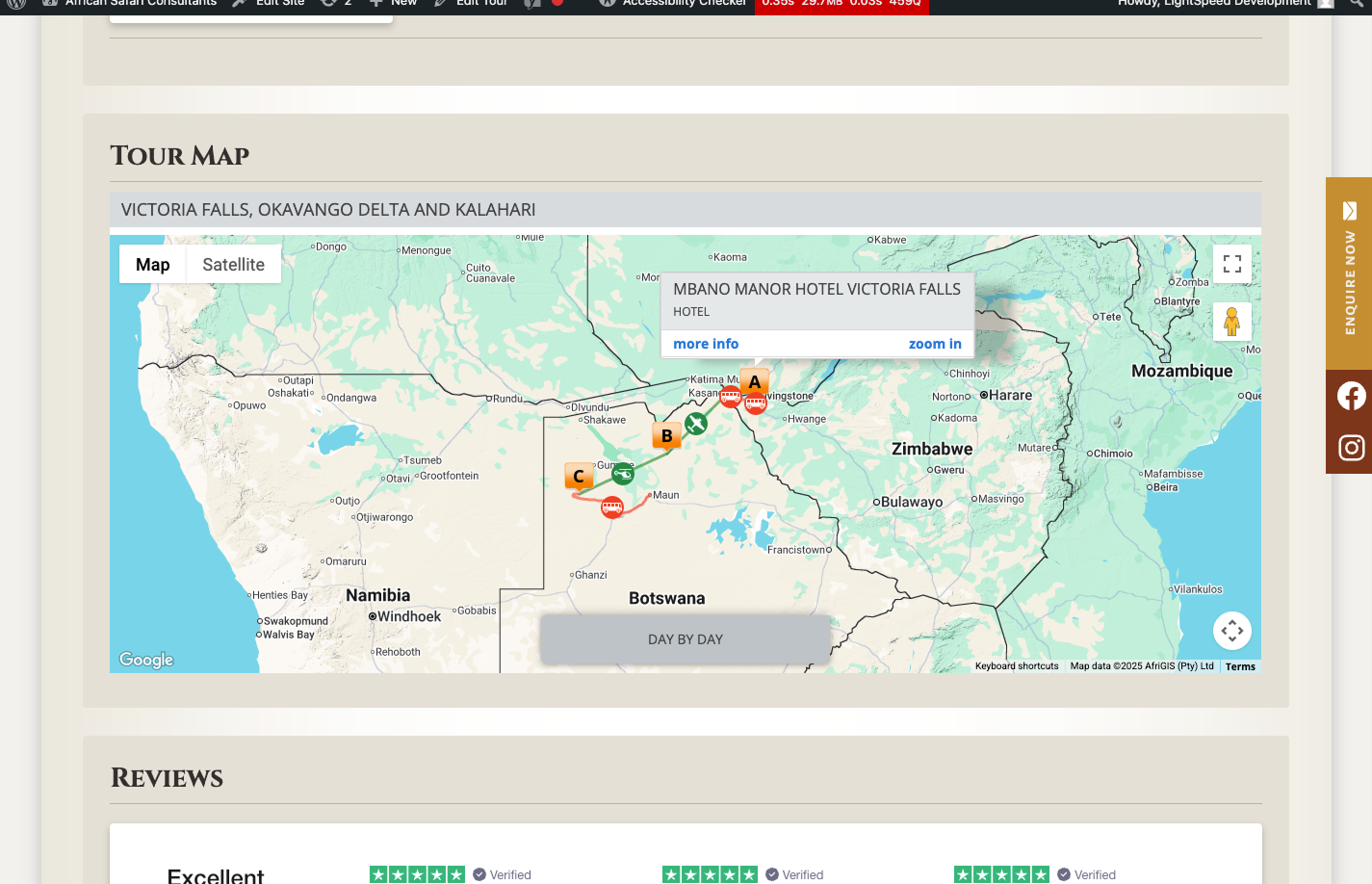
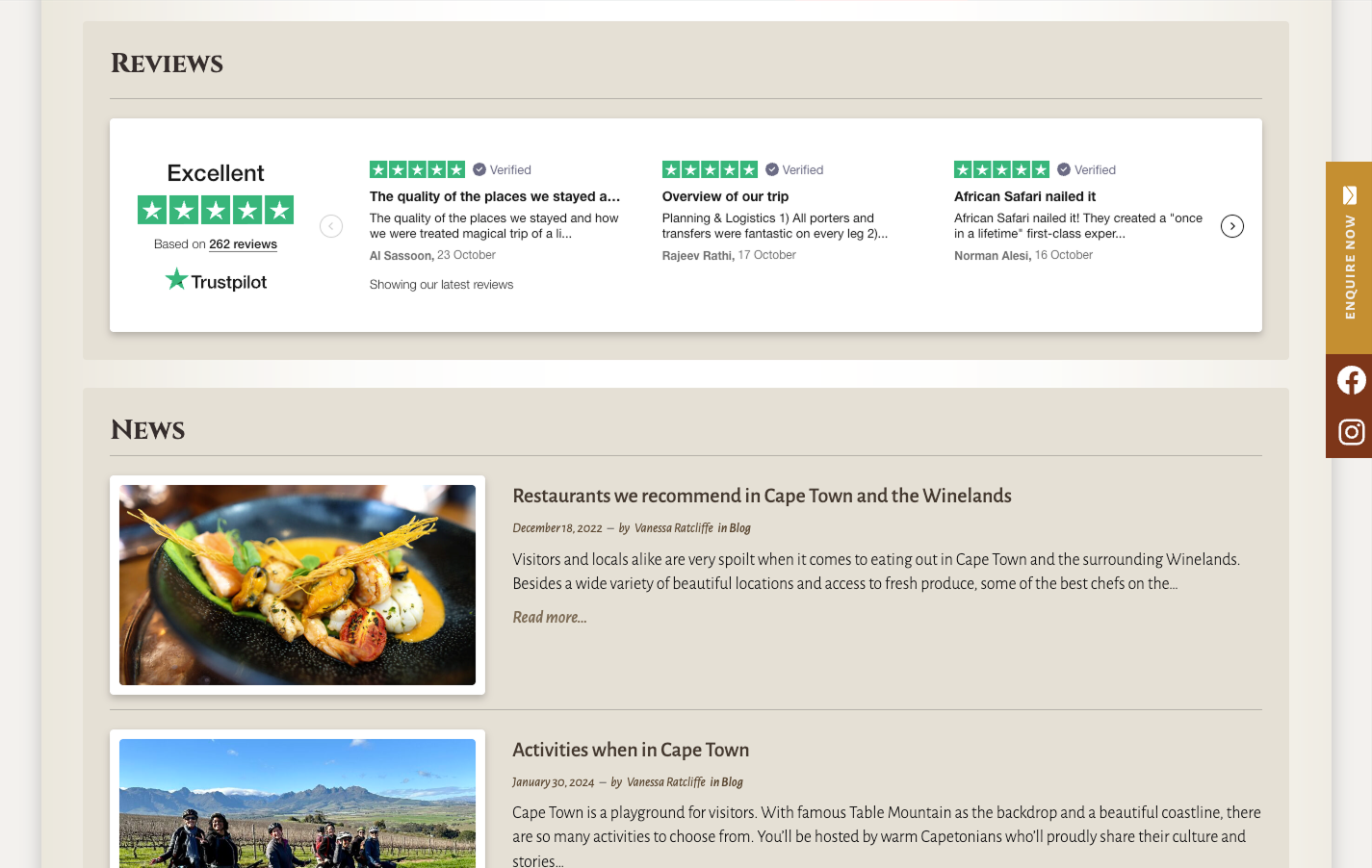
Search and filtering tools help visitors narrow itineraries by destination, budget, interests or length of stay. Image galleries use lazy-loaded media blocks, which support rich visual storytelling without dragging down performance. Trustpilot integration brings independent review summaries into key decision points, reinforcing confidence before visitors submit an enquiry.
The team also reviewed legacy scripts. They removed Google Ads and Pardot, and simplified Tag Manager usage. This clean-up reduced load times and made the tracking layer easier to understand.
Performance, accessibility and SEO baked in
Performance and accessibility shaped decisions throughout the rebuild. Consolidated styling in theme.json and trimmed custom CSS lowered stylesheet weight. Self-hosted fonts load with sensible font-display settings, which reduces layout shifts. Modern image formats and lazy-loading keep pages responsive even when they carry many photos.
Templates follow a clear heading hierarchy and use semantic blocks wherever possible. The team paid close attention to colour contrast, focus outlines and keyboard navigation, especially for menus, modals and interactive cards.
SEO improvements span structure and content. Custom post types output appropriate structured data, so search engines can better understand tours, destinations and other key entities. Block patterns encourage editors to create pages with meaningful headings, descriptive copy, internal links and well-chosen imagery. LightSpeed trained the ASC team to manage meta titles, descriptions and sharing images, and introduced AI-assisted tools that help refine copy and explore keyword ideas without taking control away from human editors.
Training and knowledge transfer
To ensure the new site would remain manageable, we created an internal Copilot Space documenting how section styles, fluid spacing and theme.json work together. This allowed multiple developers to be able to ask questions to a contextually informed AI, drastically reducing time for onboarding new developers, as well as finding and resolving issues.
Live training sessions allowed consultants and marketers to get comfortable with the block editor and Tour Operator interface, ask questions and practise common workflows. The aim was not just to launch a new site, but to give ASC the confidence to evolve it.
The results
A familiar brand on a modern foundation
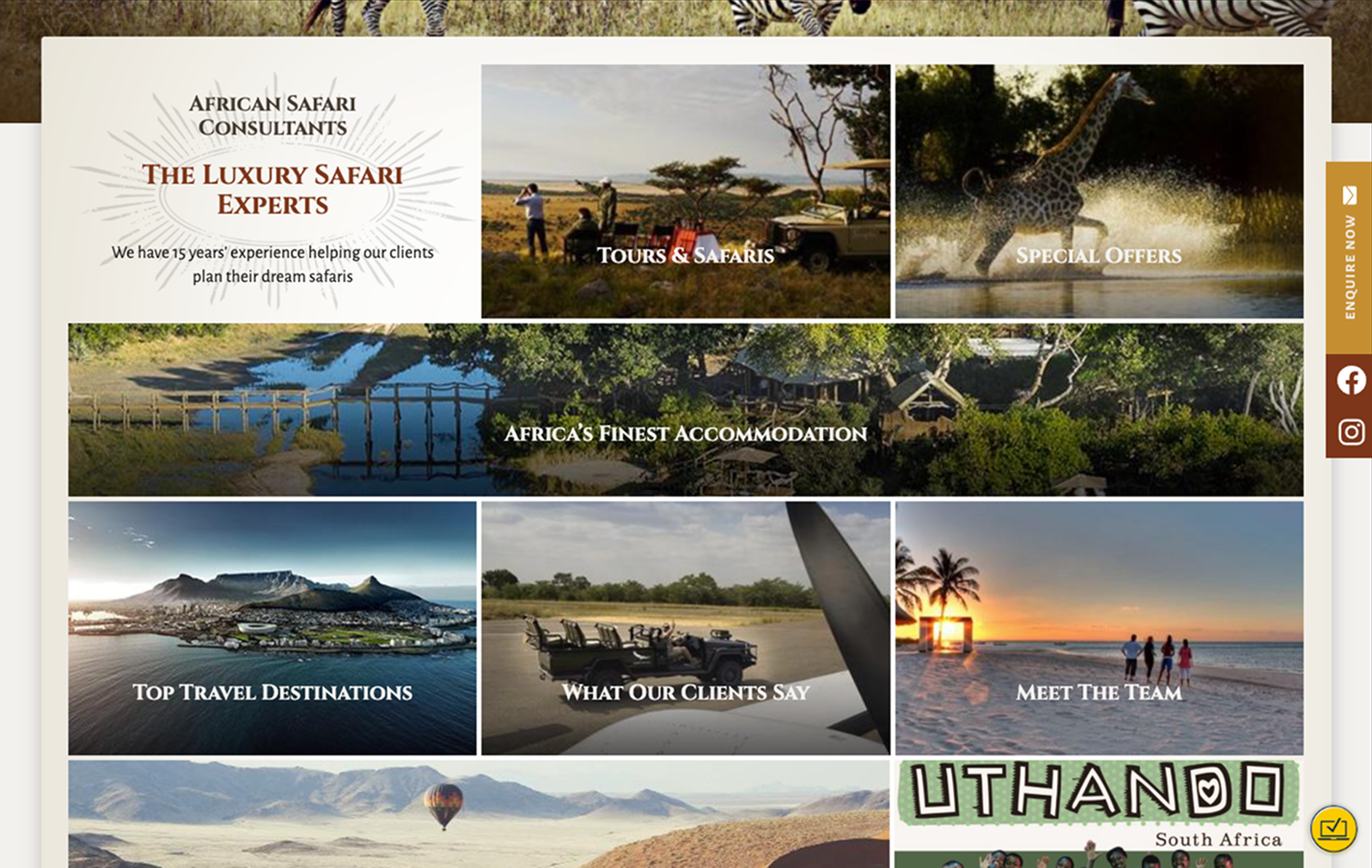
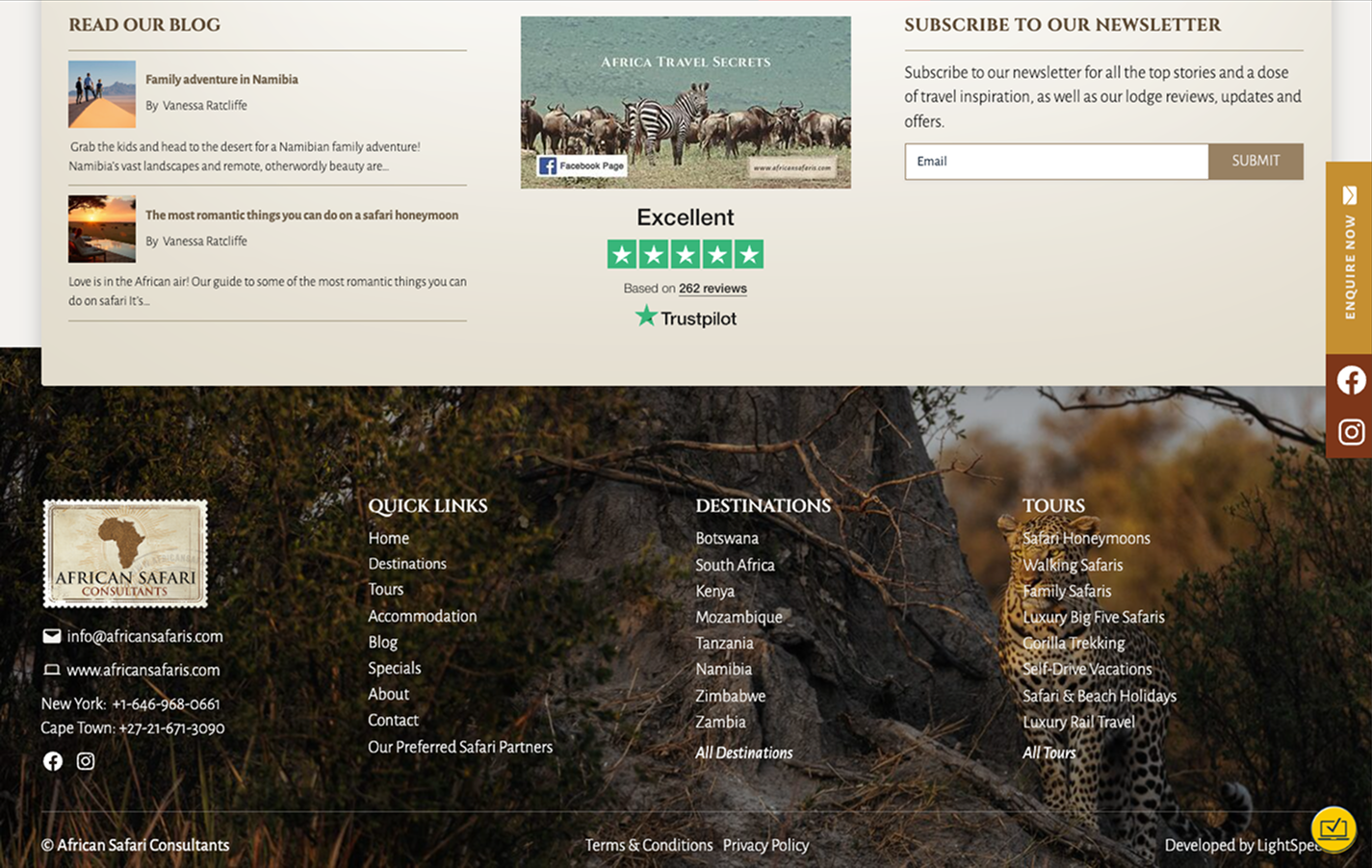
The rebuilt African Safari Consultants site still feels like ASC to returning visitors. It remains warm, aspirational and grounded in deep safari expertise. Underneath, though, it now runs on a modern, block-based foundation.
The theme.json-driven design system keeps colours, typography and spacing consistent. Fluid type and spacing ensure that pages feel considered on phones, tablets and large desktops. The site no longer relies on a web of legacy CSS to achieve that result.
Faster, clearer and easier to maintain
Performance has improved thanks to slimmer stylesheets, smarter font loading and more efficient image handling. Tour Operator 2.1 now handles complex availability patterns directly, without layers of bespoke booking code.
The combination of custom fields, patterns and section styles makes it straightforward to present rich itineraries with all the detail consultants need. Editors can adjust layouts in the block editor rather than requesting new templates.
The shift from legacy templates and custom tables to standard custom post types and blocks means future changes can focus on design tokens and patterns. The enhancements plugin still provides extra media structure, but it now lives inside a clean, documented architecture that ASC can evolve.
A team in control of their platform
The most important change sits with the team. ASC’s consultants now control their site. They can publish new tours, update content, adjust layouts using patterns, refine SEO and manage enquiries and bookings without waiting for development cycles.
Training and documentation give them a clear picture of how Full-Site Editing, theme.json and Tour Operator 2.1 fit together.
The project shows how a mature, specialist travel business can modernise its web platform without losing the identity and trust built over many years. By combining a Figma-driven design system, a custom block theme, Tour Operator 2.1 and a carefully managed migration, LightSpeed helped ASC move to a scalable, performant and future-ready platform that serves both travellers and consultants alike.
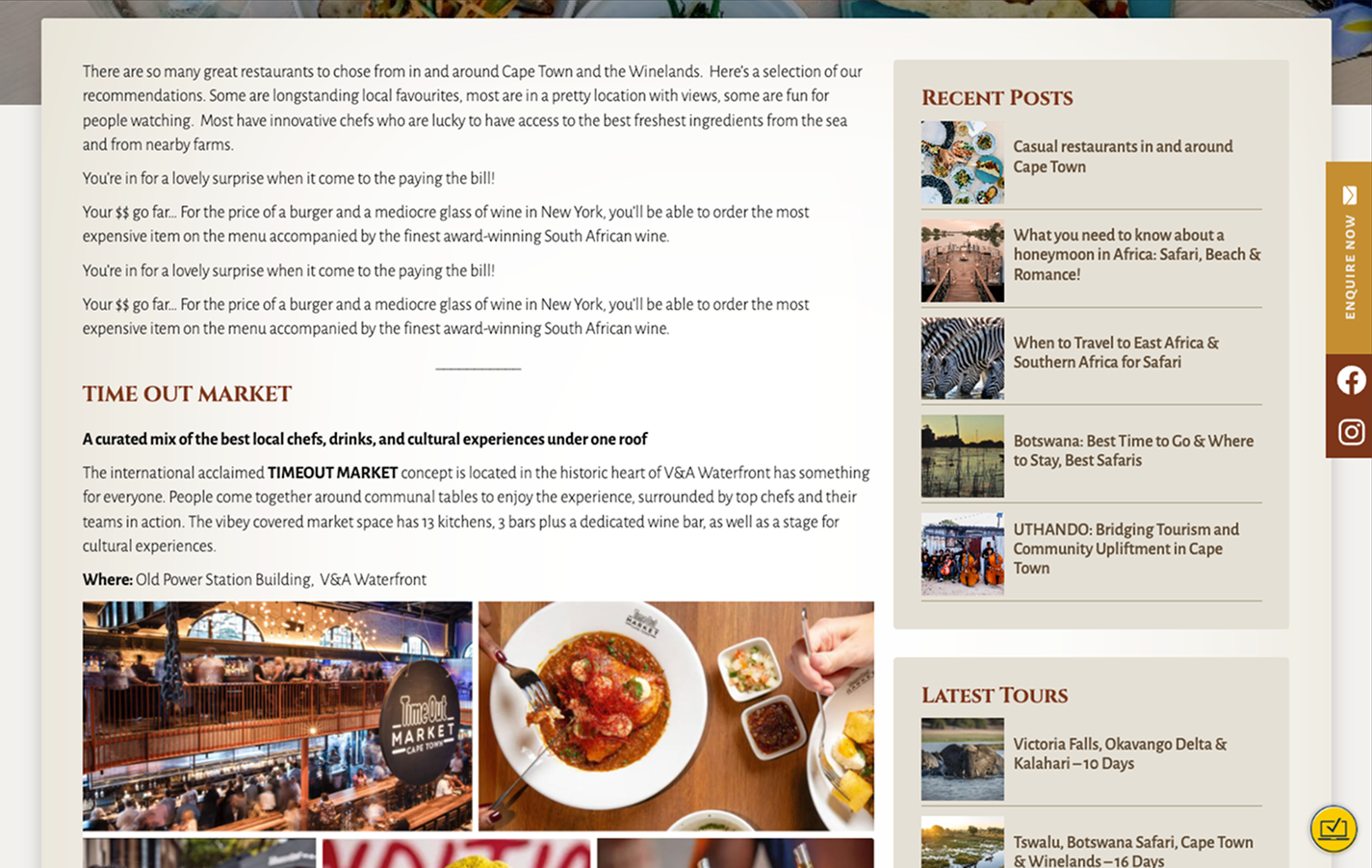
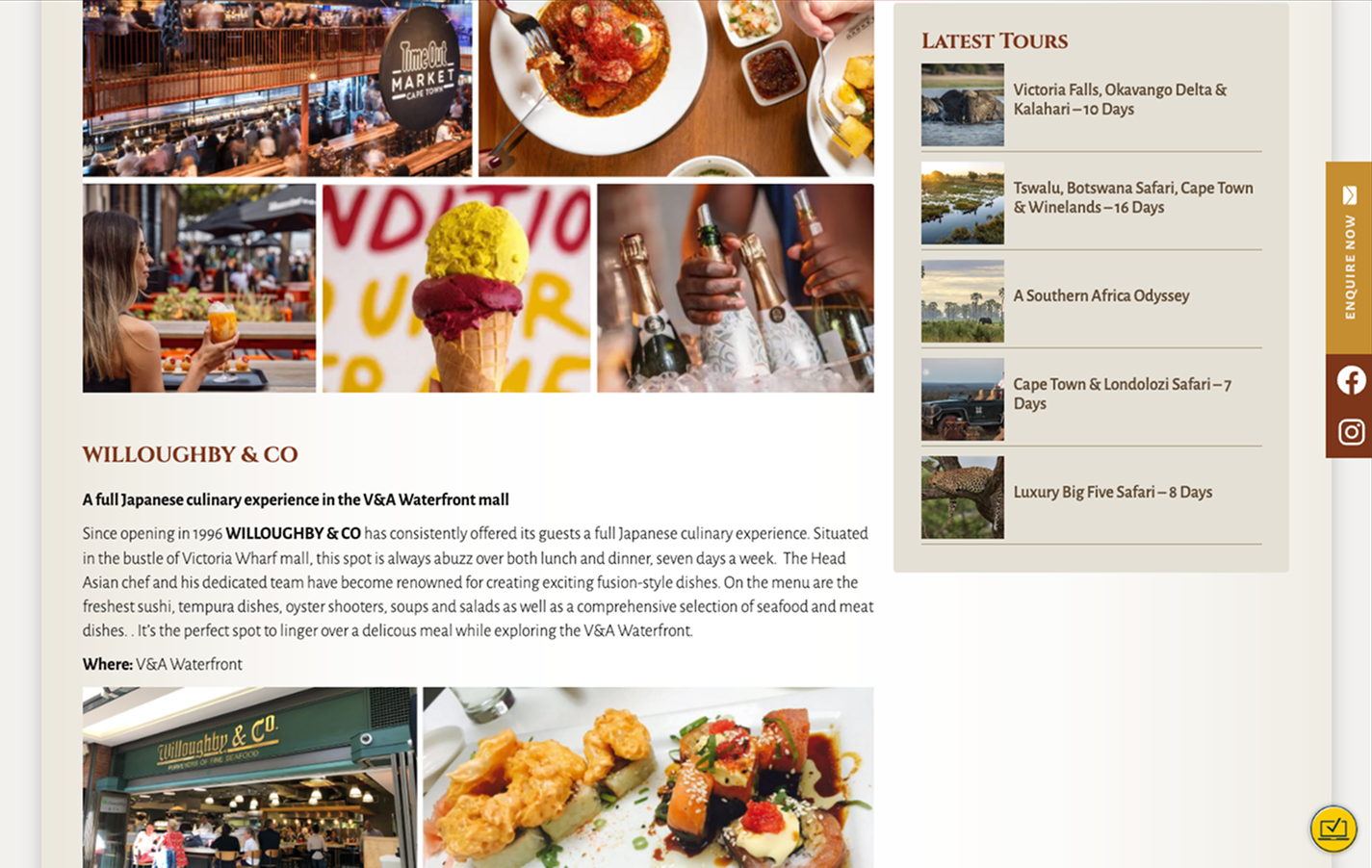
Screenshots
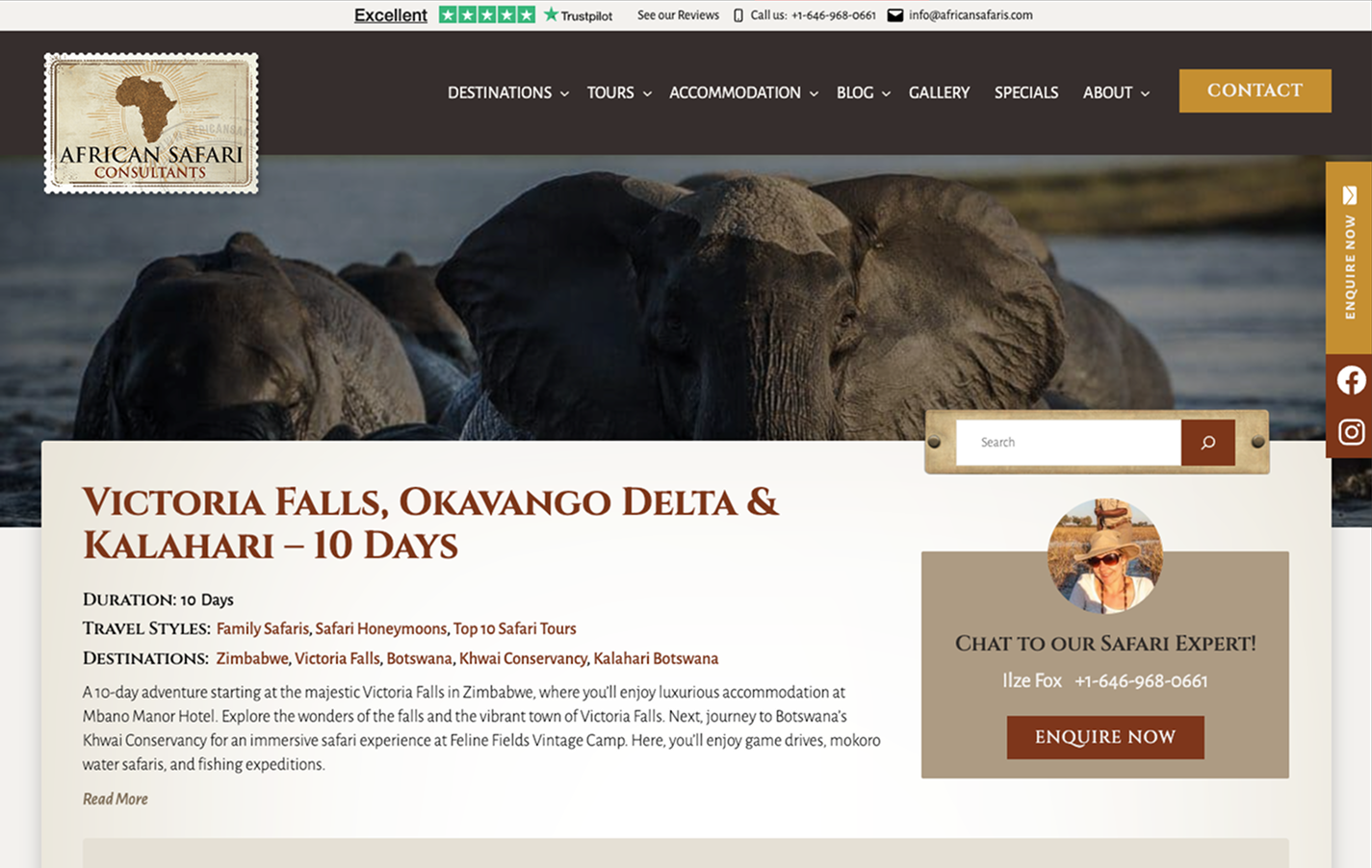
Single Tour
Single Destination
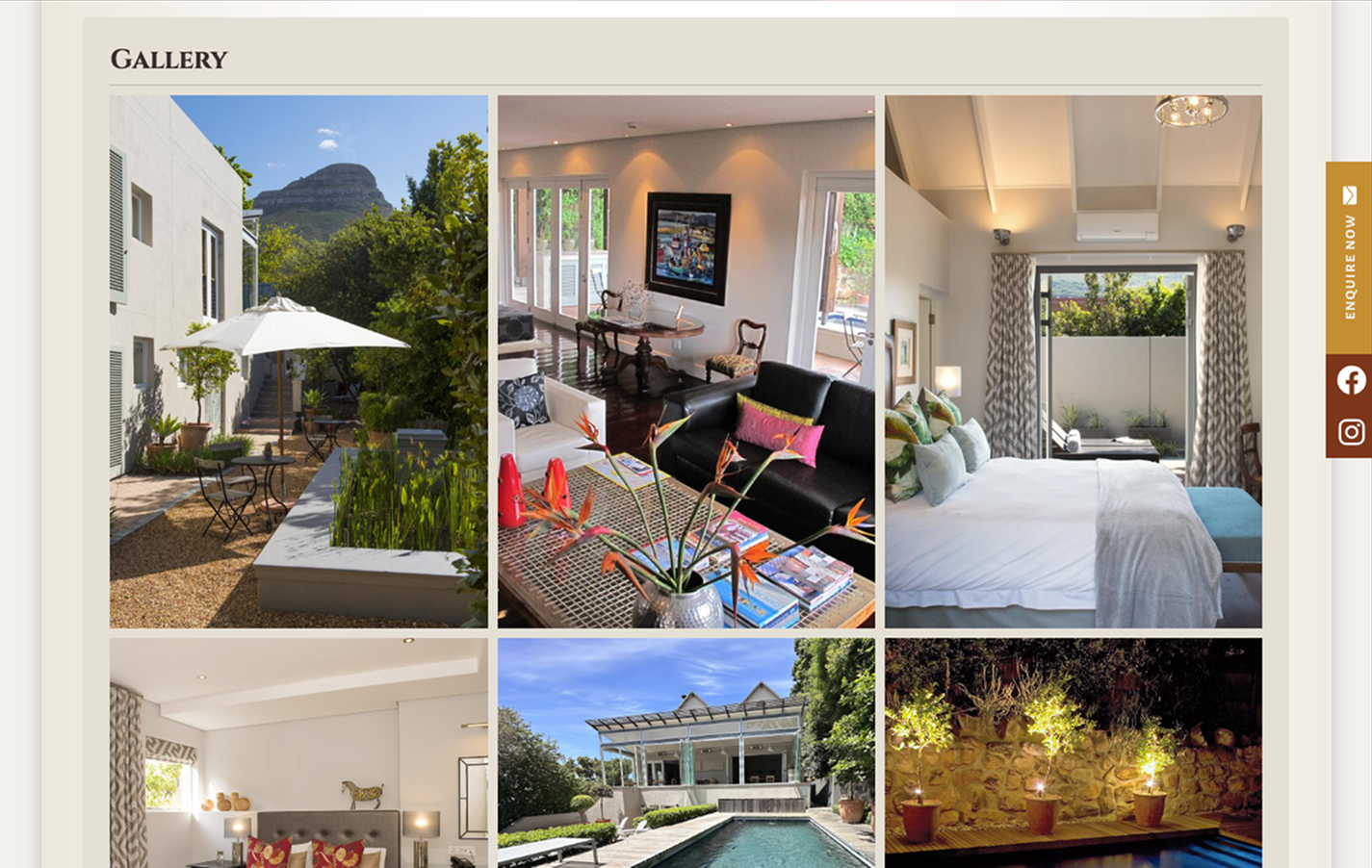
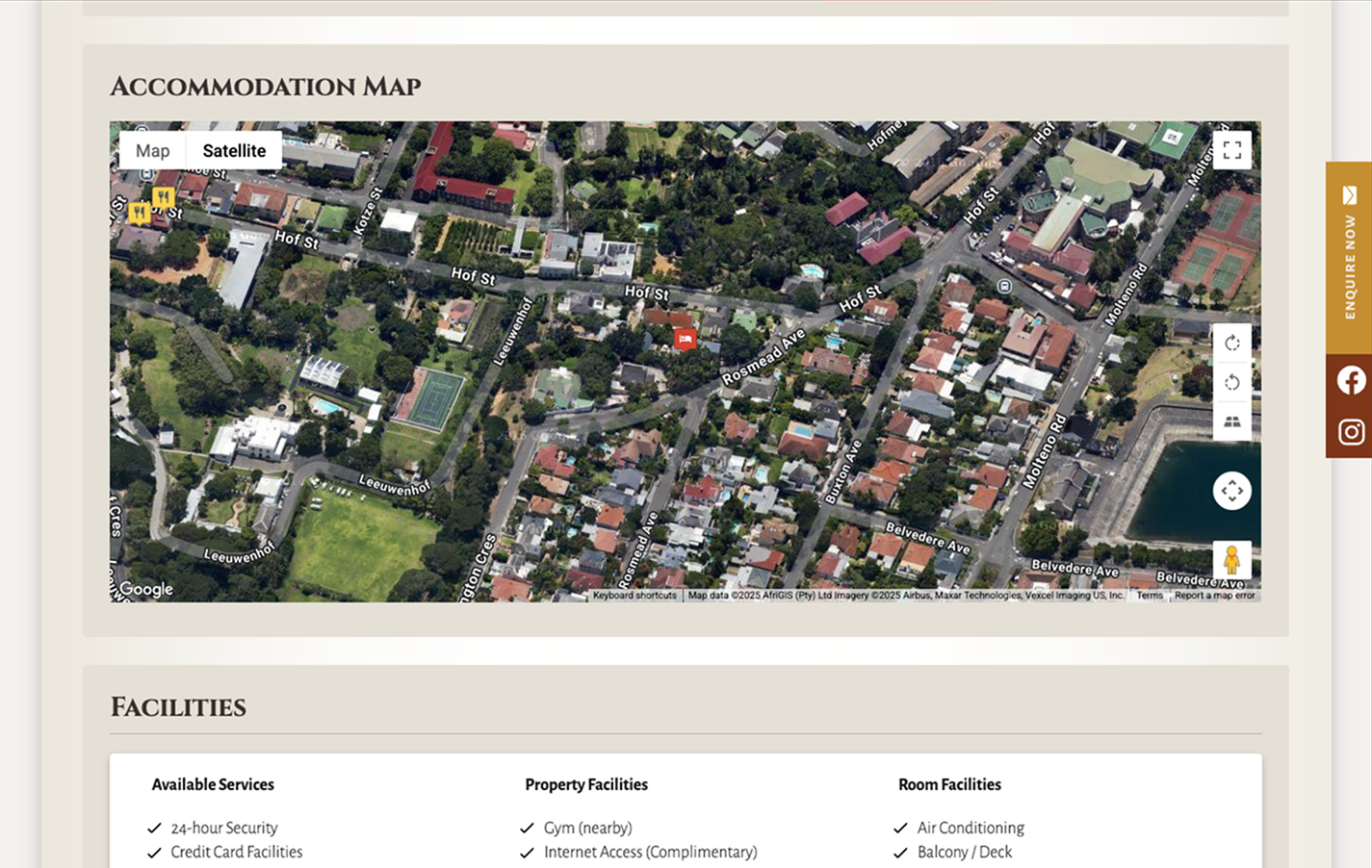
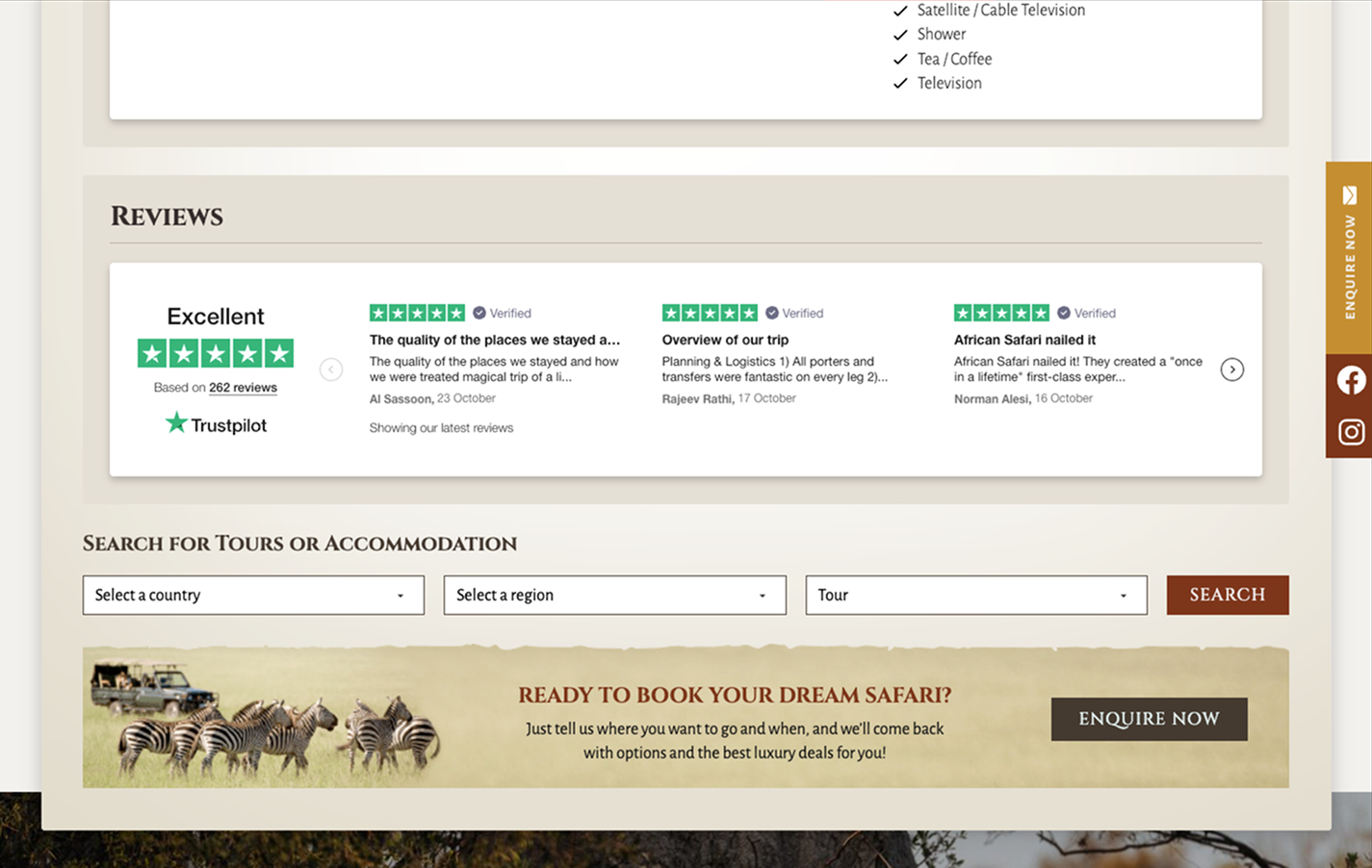
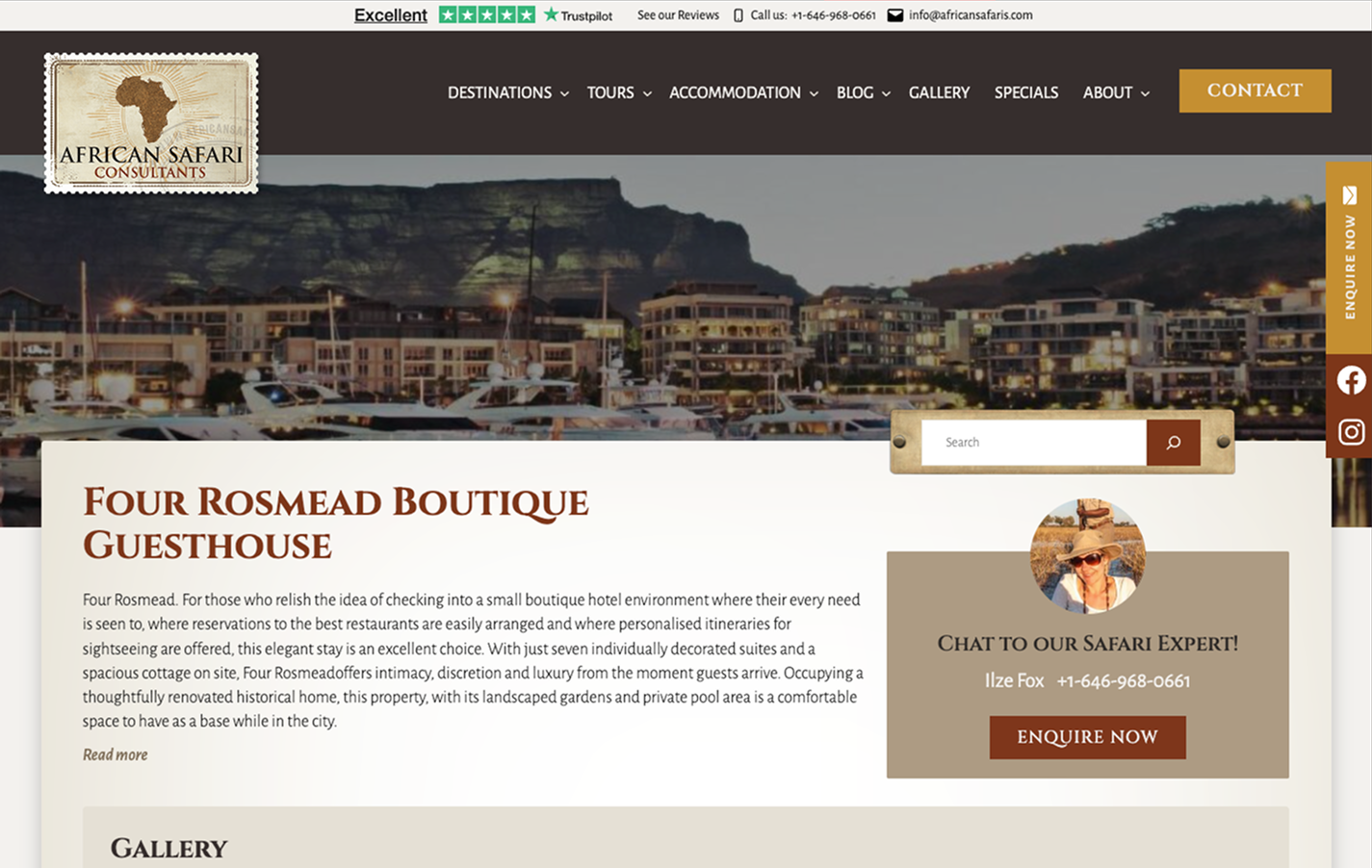
Single Accommodation
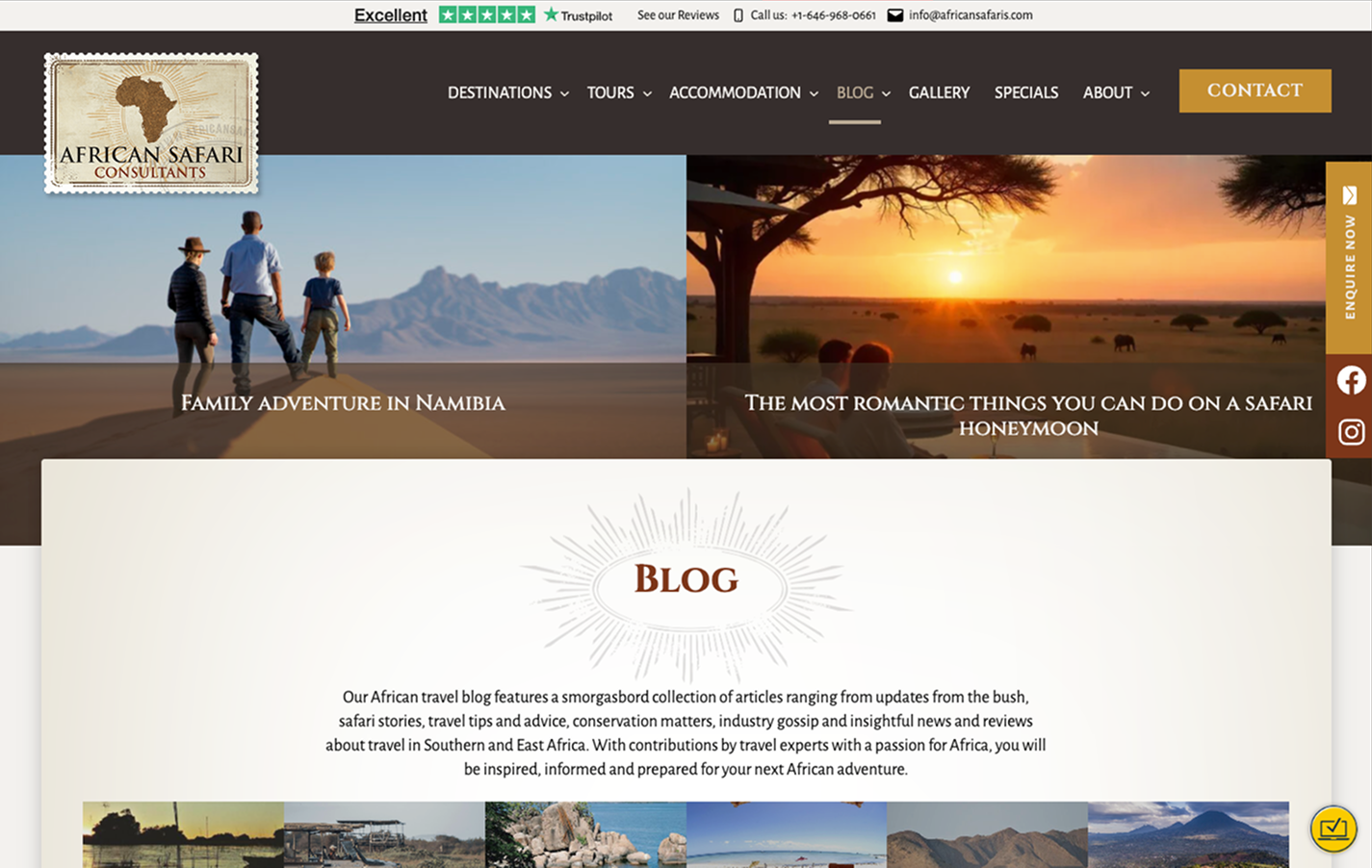
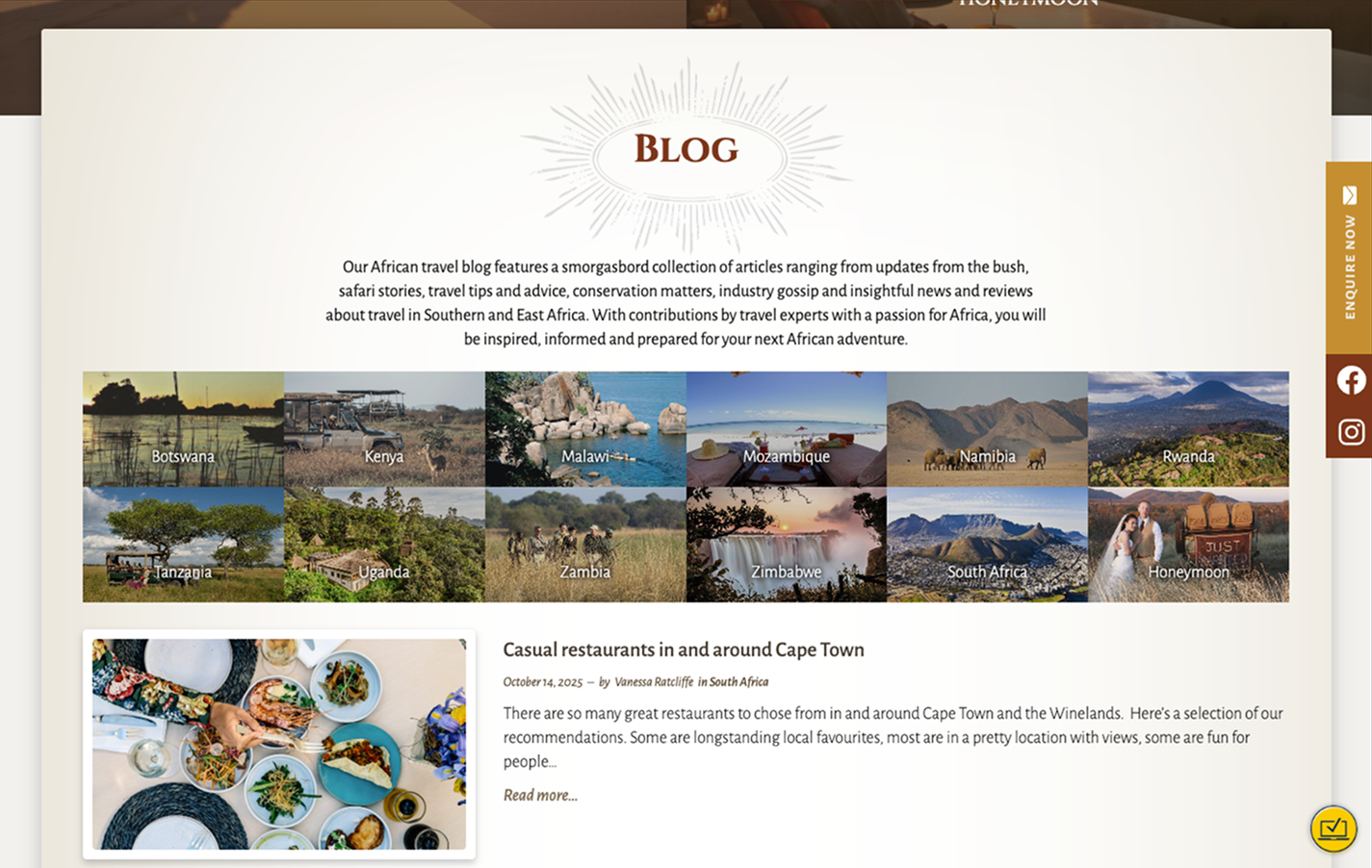
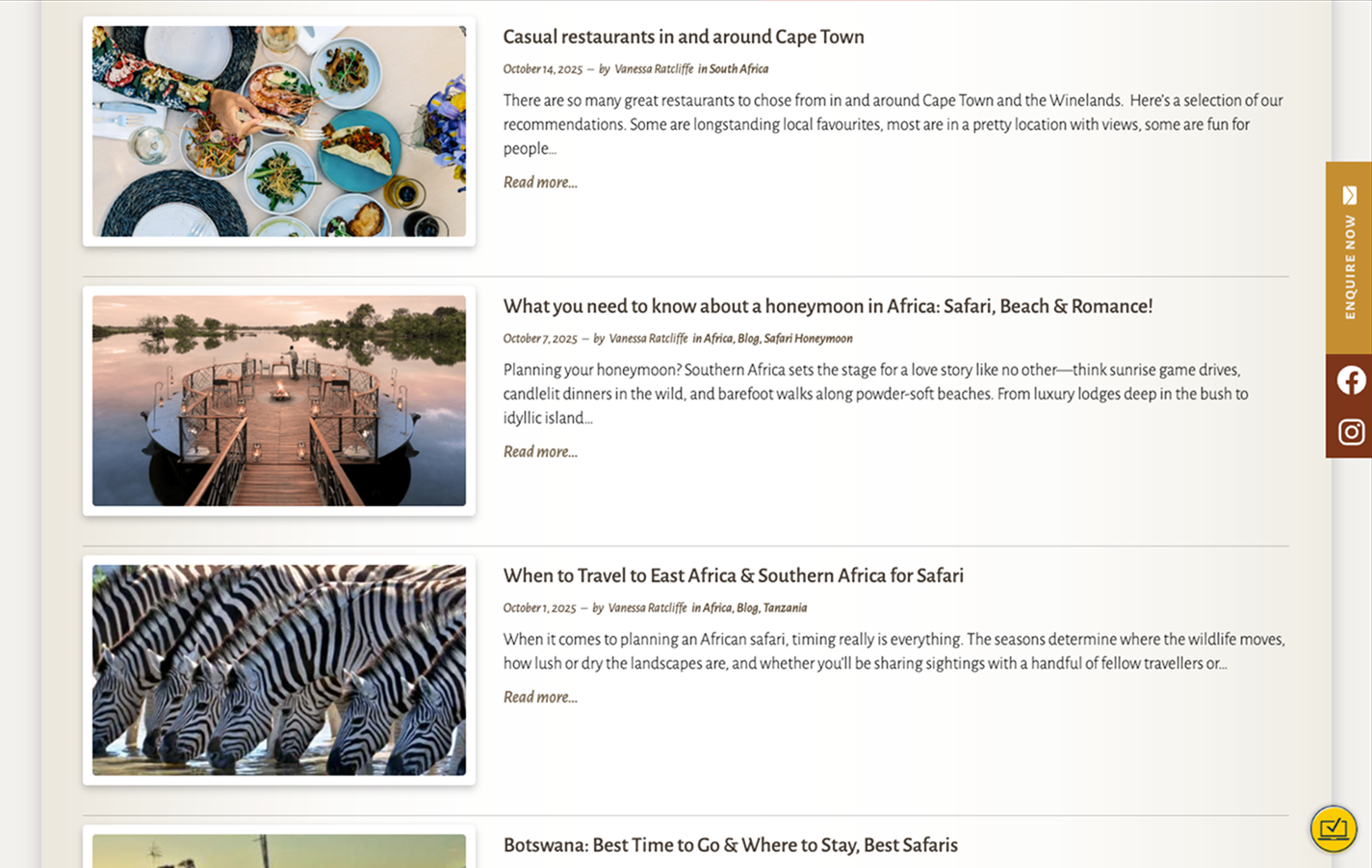
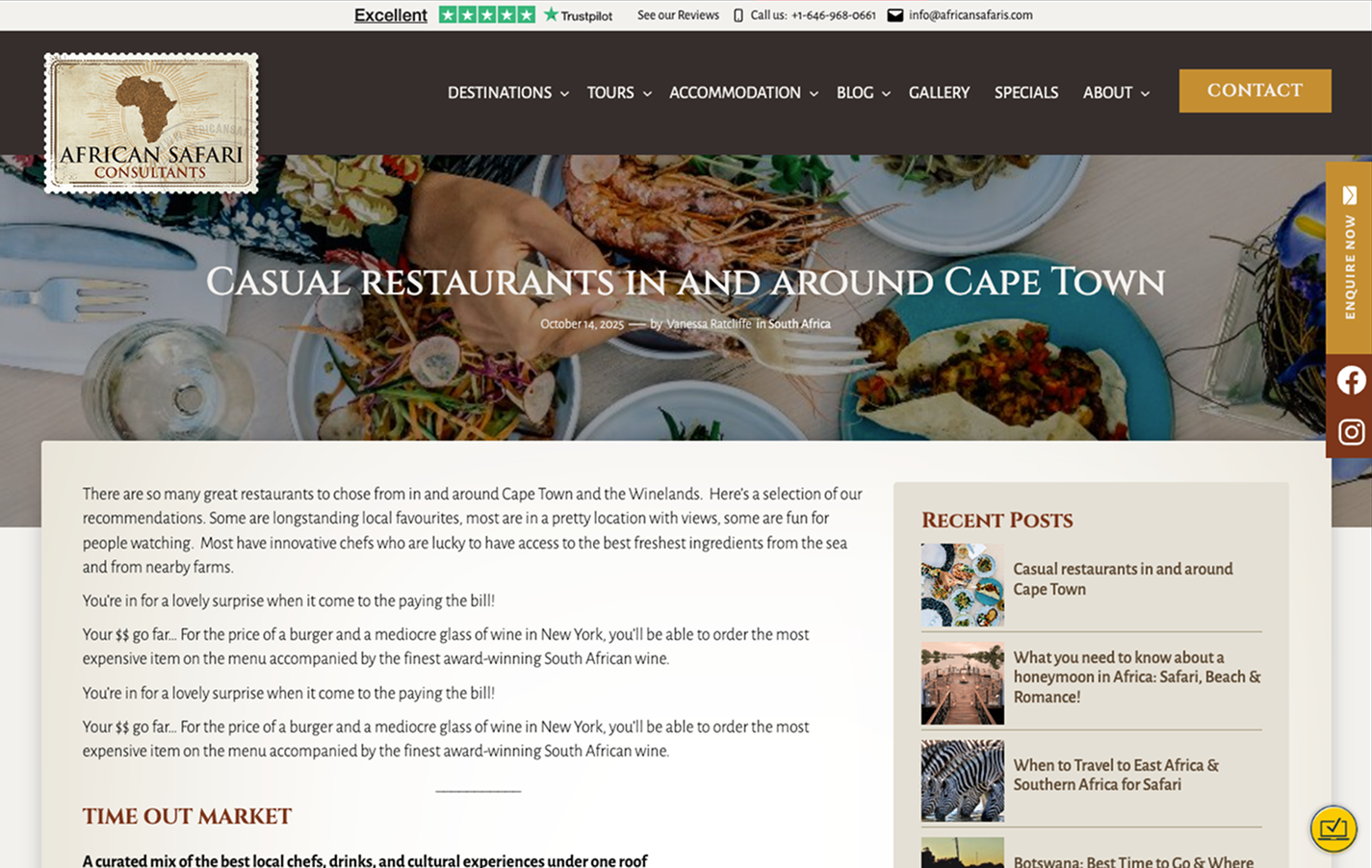
Blog